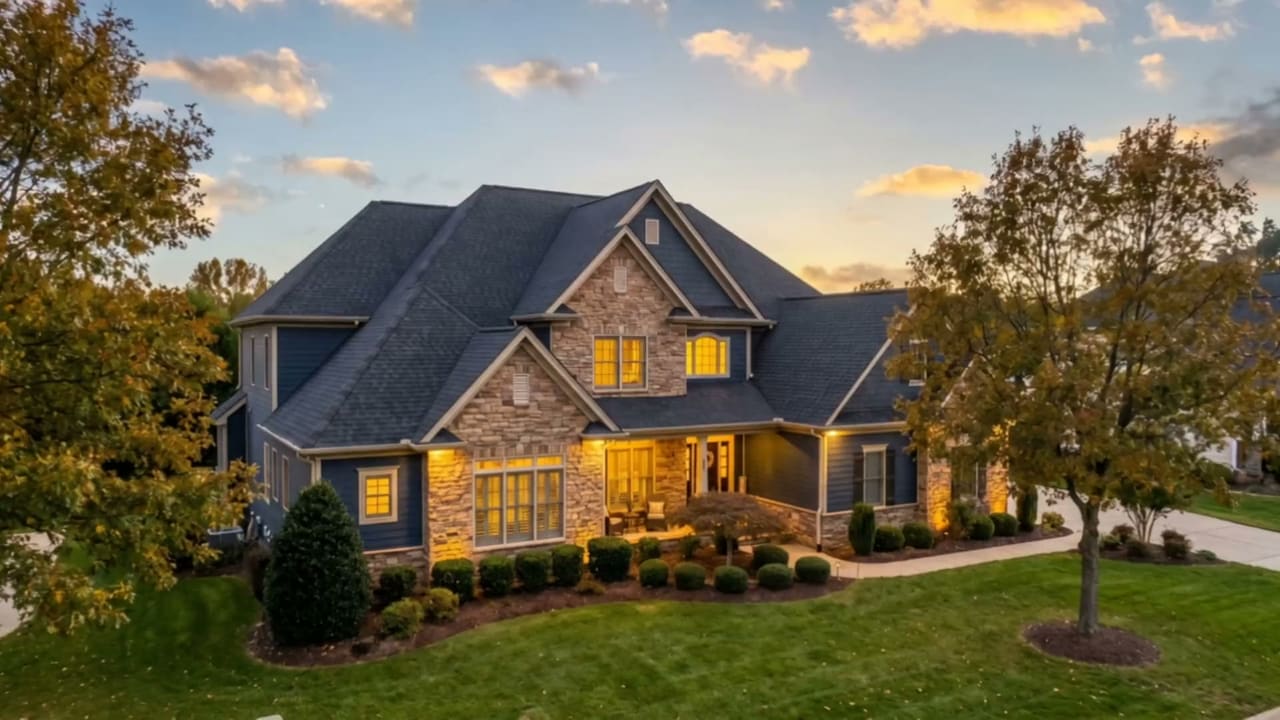
Roof decking, also called sheathing, is the layer of wood that forms the solid base of the roof. It is usually plywood or OSB nailed across the rafters, and everything else, the underlayment and shingles, attaches to it. The decking gives the roof its strength and a flat, sound surface to fasten to. Because it is hidden until the old roof is torn off, decking damage is the most common reason a final replacement price comes in above the estimate.
The decking is the structural skin of your roof. Sheets of plywood or oriented strand board are nailed across the rafters or trusses to create one continuous wood surface, and that surface is what the entire roof system is built on. The underlayment rolls out over it and the shingles nail into it, so if the decking is not solid, nothing fastened to it can hold properly.
The catch is that no one can judge the decking from the ground or even from on top of an existing roof. It only becomes visible once the old shingles and underlayment are torn off. On older homes, and on any roof that has had a slow leak, crews often find boards that are rotted, soft, or delaminated from years of trapped moisture. Those boards have to be replaced so the new roof has a firm base, because nailing fresh shingles to bad wood guarantees an early failure.
For a homeowner, this is the part of the estimate to read closely. A trustworthy roofer writes a clear per-sheet price for decking replacement up front and only charges for the boards actually found and replaced after tear-off. That way the possibility of hidden rot is handled honestly instead of becoming an unwelcome surprise mid-project.
A free, documented inspection across the Triangle. A real estimator within the hour.