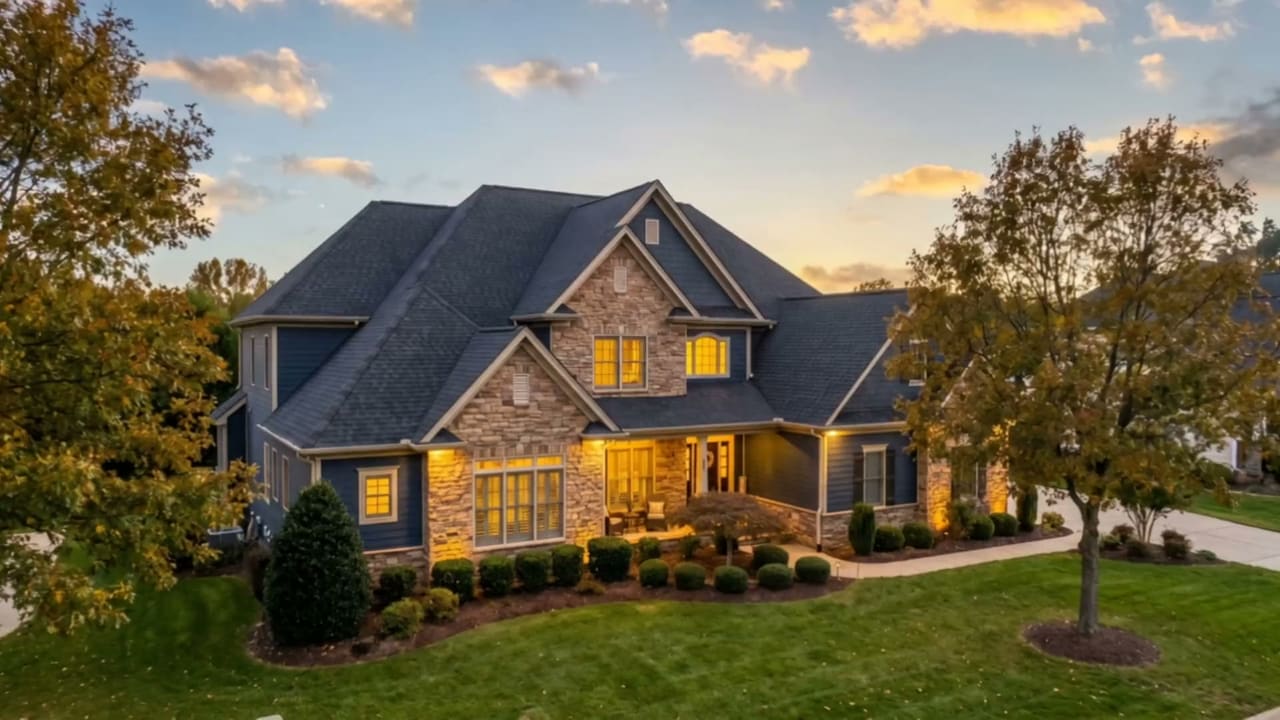
A roofing square is the unit roofers use to measure and price a roof. One square equals 100 square feet of roof surface, or a 10 foot by 10 foot area. Material and labor are figured by the square, not by the home's floor space, so a roof is quoted in squares rather than total square feet. A typical single-family home has a roof somewhere in the range of 15 to 30 squares.
When you get a roof estimate, the price is built up from squares. A roofer measures the area of every slope, totals it, and divides by 100 to get the square count. That number drives almost everything else on the quote, because more squares means more shingles, more underlayment, and more labor hours on the roof.
It helps to know that your roof area is not the same as your home's living area. A 2,000 square foot house can have far more than 2,000 square feet of roof, because the roof is sloped and often has overhangs, dormers, and multiple planes. The steeper the roof, the more surface there is to cover for the same footprint. That is why two homes that look the same size from the street can need different amounts of material.
Understanding squares helps you compare bids honestly. If one estimate lists a clear square count and a per-square price and another just gives a single lump sum, you can ask the second roofer to show their measurements. A trustworthy estimate is transparent about how many squares your roof is and what each one costs to cover.
A free, documented inspection across the Triangle. A real estimator within the hour.