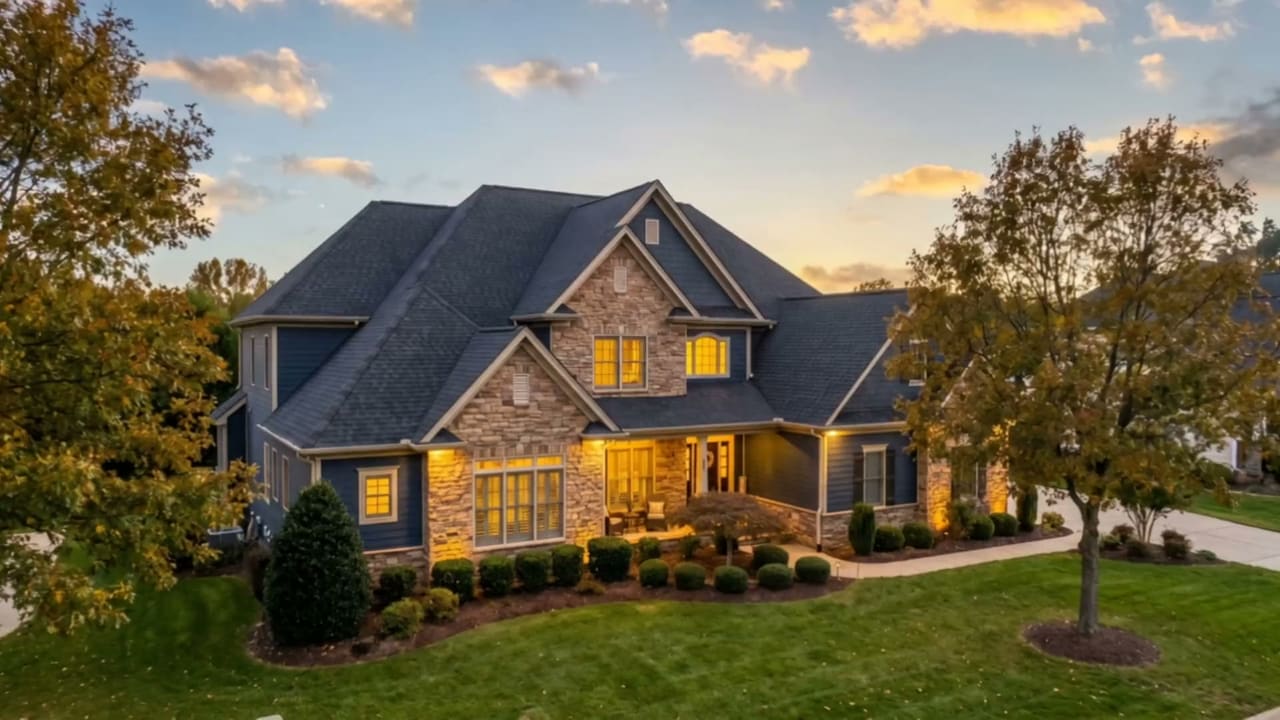
Replacement Cost Value, or RCV, is the more generous of the two ways an insurance policy can value a roof claim. It pays the full cost to replace the damaged roof with a new one of similar kind and quality, without subtracting for age or wear. Many RCV policies pay in two parts: an initial amount up front, then the withheld depreciation once the work is completed and documented. Whether you have RCV or Actual Cash Value coverage is defined in your specific policy.
Replacement Cost Value coverage is built to put a homeowner back where they were before a covered loss, with a comparable new roof rather than a depreciated payout. Unlike Actual Cash Value, RCV does not permanently subtract for the age and wear of the old roof. That makes it the more valuable coverage to carry, especially as a roof gets older and would otherwise depreciate heavily under ACV.
Many RCV policies release the money in two stages. The insurer first pays the Actual Cash Value, the depreciated amount, to get the work started. Then, once the roof is replaced and the final invoice and documentation are submitted, the insurer releases the remaining withheld depreciation, often called the recoverable depreciation. Following that process and keeping clear paperwork is how a homeowner collects the full benefit the policy promises.
A few honest reminders apply here just as they do with any claim. The homeowner files and owns the claim, and the deductible is the homeowner's responsibility no matter which valuation the policy uses. Coverage is never guaranteed, because every policy and every claim is different. A roofer can document the damage, provide photos and a written report, and meet the adjuster on site to point out what was found, but the roofer does not file or negotiate the claim and is not a public adjuster. To confirm whether your policy carries RCV and how it handles depreciation, check with your insurer or agent.
A free, documented inspection across the Triangle. A real estimator within the hour.