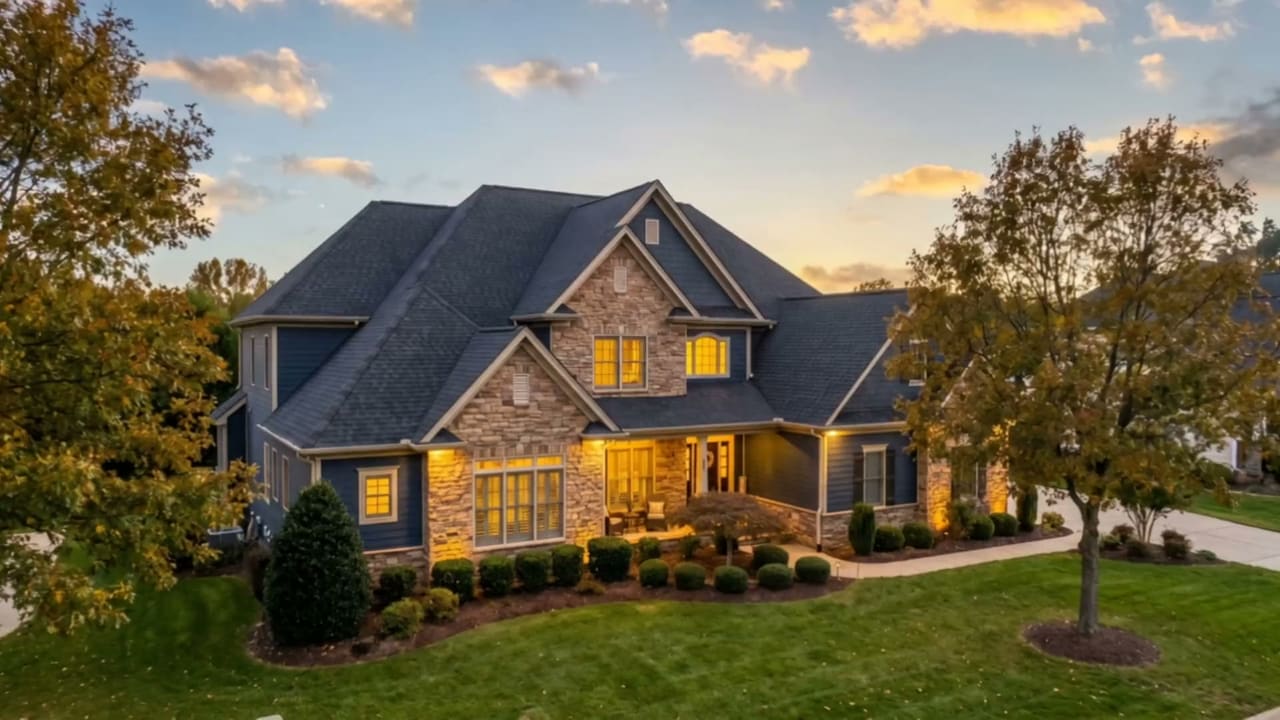
The fascia is the long, straight board that runs along the lower edge of the roof, capping the ends of the rafters where the roof meets the gutters. Gutters are usually mounted directly to the fascia, so it carries their weight and the water they collect. A sound fascia keeps the roof edge looking clean and gives the gutters something solid to hang from, while a rotted fascia can let gutters pull loose and water get behind them.
The fascia is the trim board you see running horizontally along the bottom edge of the roof, just below the shingles. It covers the cut ends of the rafters and creates the clean, finished line your gutters attach to. Along with the soffit beneath it, the fascia closes off the roof edge from weather and pests and frames the look of the whole roofline.
Its most important practical job is holding the gutters. Gutters are screwed or hung directly onto the fascia, so that board bears the weight of the gutters plus all the water and debris they carry during a heavy rain. If the fascia is solid, the gutters stay put and keep doing their job. If the fascia is soft or rotted, the gutters can sag, pull away, or fall, and the water they were meant to control ends up against the house.
For a homeowner, fascia trouble and gutter trouble usually go together. Overflowing or clogged gutters spill water onto the fascia, which rots the wood, which then lets the gutters loosen and overflow even more. Replacing rotted fascia and properly rehanging the gutters breaks that cycle and protects the edge of the roof from ongoing water damage.
A free, documented inspection across the Triangle. A real estimator within the hour.