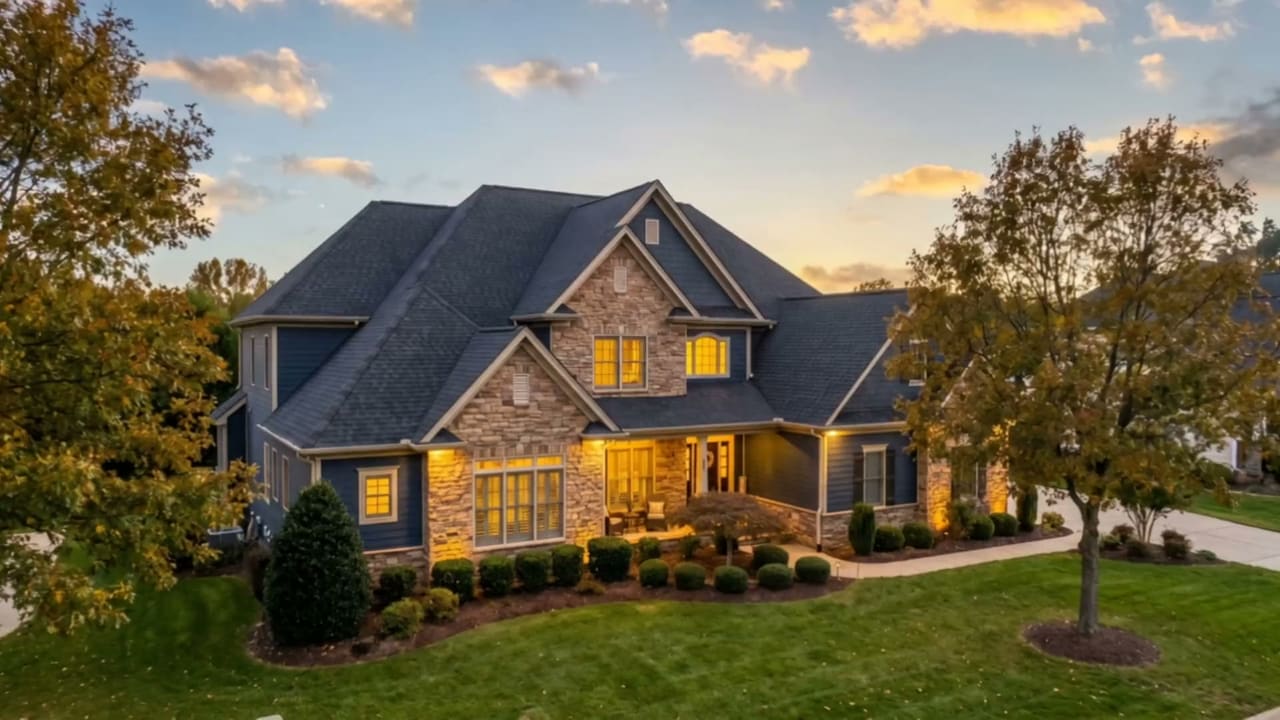
Class 4 impact-resistant shingles are shingles that earned the highest rating, Class 4, in an industry test that drops a steel ball to simulate hail impact. They are built tougher, often with a reinforced backing, so they resist the bruising and cracking that hail causes on ordinary shingles. Because they hold up better in hailstorms, many insurers offer a premium discount for homes that install them, though the discount and terms depend on your insurer and policy.
Impact resistance is measured by a standardized test, commonly known as UL 2218, in which steel balls are dropped onto a shingle from set heights to mimic hail strikes. Shingles are rated Class 1 through Class 4 based on how well they survive without cracking. Class 4 is the top rating, meaning the shingle withstood the largest simulated impact without splitting. Manufacturers achieve this with tougher asphalt formulations and reinforcing layers that let the shingle flex and absorb a blow instead of shattering.
For a region that sees its share of summer hail and severe storms, that toughness is more than a spec sheet number. A standard shingle that takes a hard hail hit can bruise, lose granules, and begin failing months later, while a Class 4 shingle is far more likely to shrug off the same impact and keep protecting the home. That can mean fewer storm repairs and a roof that reaches its full expected life rather than being cut short by a single bad storm.
For a homeowner, there is often a financial upside too. Many insurance companies offer a premium discount for roofs built with Class 4 shingles, since those roofs tend to file fewer hail claims. The size of the discount, and whether it is offered at all, depends entirely on your insurer and policy, so it is worth asking your agent directly. Weigh the modest upfront cost against the storm protection and any discount to decide if the upgrade fits your home.
A free, documented inspection across the Triangle. A real estimator within the hour.