On This Page
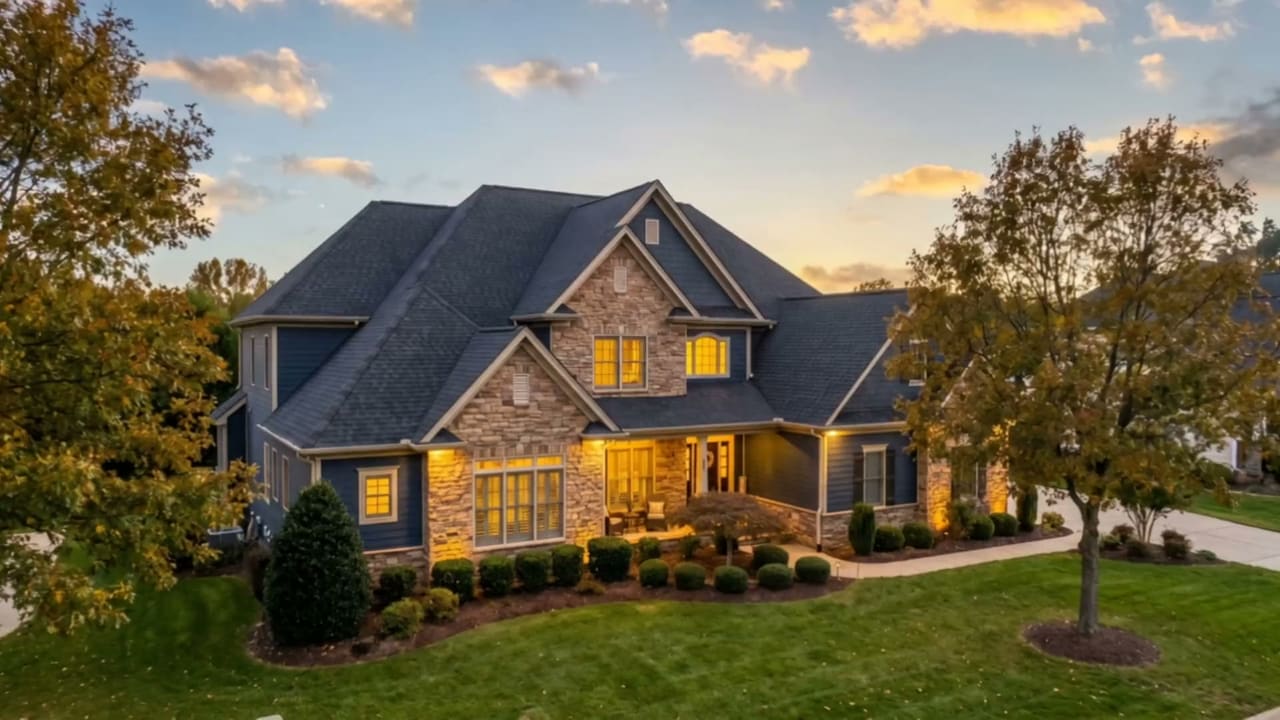
Pick a shingle color that complements your brick and siding, suits your neighborhood, and clears any HOA rules. Light shingles reflect a little more heat than dark ones, but attic ventilation matters far more than color for summer attic temperature. Always view a full sample on the roof in daylight, since small chips never read the same.
The Heat Question: Color Helps, Ventilation Wins
The first thing most North Carolina homeowners ask about shingle color is heat. The thinking is reasonable: dark surfaces absorb sun, so a dark roof must bake the attic and run up the cooling bill. There is a grain of truth here, but it is a smaller factor than people expect.
A lighter shingle does reflect somewhat more sunlight than a dark one, so it can keep an attic marginally cooler on a hot July afternoon. The effect is real but modest. The far larger driver of attic temperature is ventilation. An attic with good intake at the eaves and exhaust at the ridge flushes hot air out continuously, and that does more to control temperature than the shingle color ever will.
So the practical answer is to choose the color you like for how it looks, and then make sure the attic is properly ventilated. A dark roof over a well-ventilated attic stays reasonable, while a light roof over a sealed, stuffy attic still cooks. Do not let the heat worry override your taste; let ventilation do the heavy lifting.
Curb Appeal and Resale
The roof is a huge part of what people see when they look at your house, so color shapes the whole exterior. The goal is harmony rather than a statement. A color that complements the rest of the home reads as intentional and polished, while a roof that clashes draws the eye for the wrong reason.
For resale, neutral and widely liked colors are the safe bet. Weathered wood tones, soft grays, charcoals, and warm browns appeal to the most buyers and rarely date a home. A bold or unusual roof color can narrow the pool of buyers who love it, which matters if you may sell within several years. If this is your forever home, you have more freedom to follow your own taste.
Matching Brick, Siding, and Trim
The reliable way to land on a color is to work from what your house already has. The roof should coordinate with your brick or siding and your trim, not fight them. Start by deciding whether your home reads as warm or cool. Red and brown brick, tan siding, and cream trim are warm, and they pair with browns, warm grays, and weathered-wood blends. Gray brick, blue or white siding, and crisp white trim are cool, and they pair with true grays, charcoals, and blacks.
From there, a few habits help. Pull a color from the home's fixed elements, like the undertone in the brick, and echo it in the roof. Make sure the roof and trim have enough contrast to look crisp rather than muddy. And consider the permanent features you cannot change, such as stone or a brick chimney, since the roof has to live alongside them for decades.
- Warm homes, red or brown brick and tan siding, suit browns and weathered-wood tones
- Cool homes, gray brick and blue or white siding, suit grays, charcoals, and blacks
- Pull an undertone from the brick or stone and echo it in the roof color
- Keep enough contrast between roof and trim so the look stays crisp
HOA Rules and the Neighborhood
Before you fall in love with a color, check your HOA. Many Triangle subdivisions have an architectural review process and an approved palette of roof colors, and some require you to submit your choice for approval before any work begins. Skipping that step can mean a fight, a fine, or even an order to redo the roof, so confirm the rules early.
Even without an HOA, glance at the neighborhood. A roof that fits the general palette of the street looks settled, while a color far outside what the neighbors have can stand out in a way that hurts resale. You do not have to match your neighbors exactly, but staying within the broad family of colors around you is usually the wiser move for the home's long-term value.
See the Color on the Roof, Not Just the Chip
The most common color regret comes from choosing off a small sample. A little swatch in a showroom or a thumbnail online never reads the same as a full roof in real daylight. Color shifts with the light, with the size of the surface, and with the angle of the sun, and a shingle blend that looks gray indoors can read brown or green outside.
Ask your roofer for a full-size sample board, or better yet to see the blend installed on a real roof, and look at it on your own home at different times of day. Morning light, harsh midday sun, and golden evening light each change the color. Take your time on this one decision, because the roof will be on your house for 25 years or more, and a few extra days choosing the color is well spent.
Free, documented, and no pressure. A real estimator within the hour.