On This Page
- How to Read This Guide
- Asphalt Shingles: The Affordable Default
- Metal Roofing: Longest Life, Best at Shedding Heat
- Tile, Slate, and Synthetic: The Premium Tier
- The Master Comparison
- What Matters Most in the North Carolina Climate
- Looks, Curb Appeal, and Resale
- Brands and Warranties Within a Material
- So Which Material Is Right for You?
The main roofing materials for North Carolina homes are asphalt shingles, metal, and a handful of premium options like tile, slate, and synthetic. Asphalt is the affordable default, metal lasts longest and sheds heat best, and the premium materials cost the most. The right pick depends on your budget, how long you will stay, and the look you want.
How to Read This Guide
Choosing a roofing material is one of the bigger decisions you make as a homeowner, and most people only make it once or twice in a lifetime. That is exactly why it feels confusing. There is no single best material, only the one that fits your house, your budget, and how long you plan to stay.
This guide walks through the materials that make sense for a North Carolina home, grouped from most common to most rare. For each one we cover what it is, what it costs, how long it lasts, and how it handles our heat, humidity, and summer storms. By the end you should know which family of material to focus on, and the cluster articles linked at the bottom go deeper on the choices within each one.
Asphalt Shingles: The Affordable Default
Asphalt shingles cover the large majority of homes across the Triangle, and for good reason. They are the most affordable to install, come in dozens of colors, and a quality architectural shingle handles our climate well. If you drive through almost any Raleigh-area neighborhood, most of what you see is asphalt.
There are three grades. 3-tab is the thin, flat, budget shingle that was standard for decades. Architectural, also called dimensional or laminate, is a thicker layered shingle that looks better and lasts longer, and it is the modern default. Designer shingles are the premium tier, shaped and colored to mimic wood shake or slate at a fraction of those materials' cost and weight.
Asphalt's weak spot is heat and age. Our long, hot summers cook the shingle and slowly dry it out, which is why ventilation and color matter here. The strength is value: a good architectural shingle gives you 25 to 30 years of solid performance for the lowest upfront price of any real roof.
- 3-tab: thin, flat, cheapest, shortest life, mostly used on rentals and budget jobs
- Architectural: thicker and layered, the modern default for most Triangle homes
- Designer: premium asphalt shaped to imitate shake or slate, longest asphalt life
Metal Roofing: Longest Life, Best at Shedding Heat
Metal is the fastest-growing choice in North Carolina, and it solves two problems asphalt struggles with: longevity and heat. A quality metal roof commonly lasts 40 to 70 years, often outliving the homeowner who installs it, and a reflective finish bounces sunlight away so your attic runs cooler in July.
There are two main systems. Standing seam uses long vertical panels with hidden fasteners and raised seams, giving a clean, modern, premium look. Metal shingles and tiles are stamped pieces that lock together to mimic the texture of asphalt, wood, or slate, so you get metal's durability with a more traditional appearance.
Metal costs roughly two to three times what asphalt does up front, which is the main thing that holds people back. The payoff is decades of extra life and excellent wind performance, since the panels lock together with few edges for wind to grab. The old worry about rain noise is mostly a myth on a modern home, where the metal sits over solid decking and underlayment.
Tile, Slate, and Synthetic: The Premium Tier
Beyond asphalt and metal sit the premium materials. These are far less common in the Triangle, but they show up on higher-end homes and where a specific look is the goal. They share two traits: a very long life and a high price.
Clay and concrete tile is heavy, fireproof, and can last 50 years or more, though its weight often requires extra structural support that adds cost. Natural slate is the gold standard for longevity, lasting a century or more, but it is expensive and heavy and needs a specialist to install. Synthetic slate and shake are newer products made from molded polymer that copy the look of slate or wood at a lighter weight and lower price, which makes that high-end appearance reachable without the structural upgrade.
For most North Carolina homeowners these materials are overkill. They make sense when the architecture calls for them or when a homeowner specifically wants a hundred-year roof and has the budget for it. For everyone else, architectural asphalt or metal covers the practical bases.
The Master Comparison
Here is how the materials line up side by side on a typical 2,000 square foot Triangle roof. Treat the cost ranges as planning numbers, since your roof's size, pitch, and complexity move the final price.
| Material | Typical Installed Cost | Lifespan | Best For |
|---|---|---|---|
| 3-Tab Asphalt | $5,000 to $10,000 | 15 to 20 years | Rentals, tight budgets, short stays |
| Architectural Asphalt | $10,000 to $15,000 | 25 to 30 years | Most homeowners, best all-around value |
| Designer Asphalt | $15,000 to $25,000 | 30 to 50 years | Upscale look on an asphalt budget |
| Metal Shingles | $18,000 to $30,000 | 40 to 60 years | Metal durability, traditional look |
| Standing-Seam Metal | $25,000 to $40,000 | 40 to 70 years | Forever homes, modern look, high wind |
| Tile or Slate | $30,000 to $45,000+ | 50 to 100 years | Architecture that calls for it, big budgets |
What Matters Most in the North Carolina Climate
Our climate is the deciding factor that catches people off guard. Central North Carolina pairs long hot summers with high humidity, then layers in severe summer storms that bring wind, hail, and the occasional inland push from a coastal system. A material that thrives in a dry western state may not be the right call here.
Heat ages asphalt faster, so attic ventilation and a lighter color do real work to extend a shingle roof's life. Humidity feeds algae, which is why the dark streaks you see on so many roofs here are common, and algae-resistant shingles are worth choosing. Storms reward materials and installs that resist wind uplift, which is where metal and a properly nailed architectural shingle both shine.
The honest takeaway is that material choice and install quality work together. The best material poorly installed will fail early, and a mid-tier material installed right will outlast its rating. In our climate, ventilation, sealed edges, and quality flashing matter as much as the name on the shingle wrapper.
- Heat: favors metal and lighter colors, makes attic ventilation essential
- Humidity: feeds roof algae, so choose algae-resistant shingles here
- Storms: reward wind-rated materials and a careful, properly nailed install
Looks, Curb Appeal, and Resale
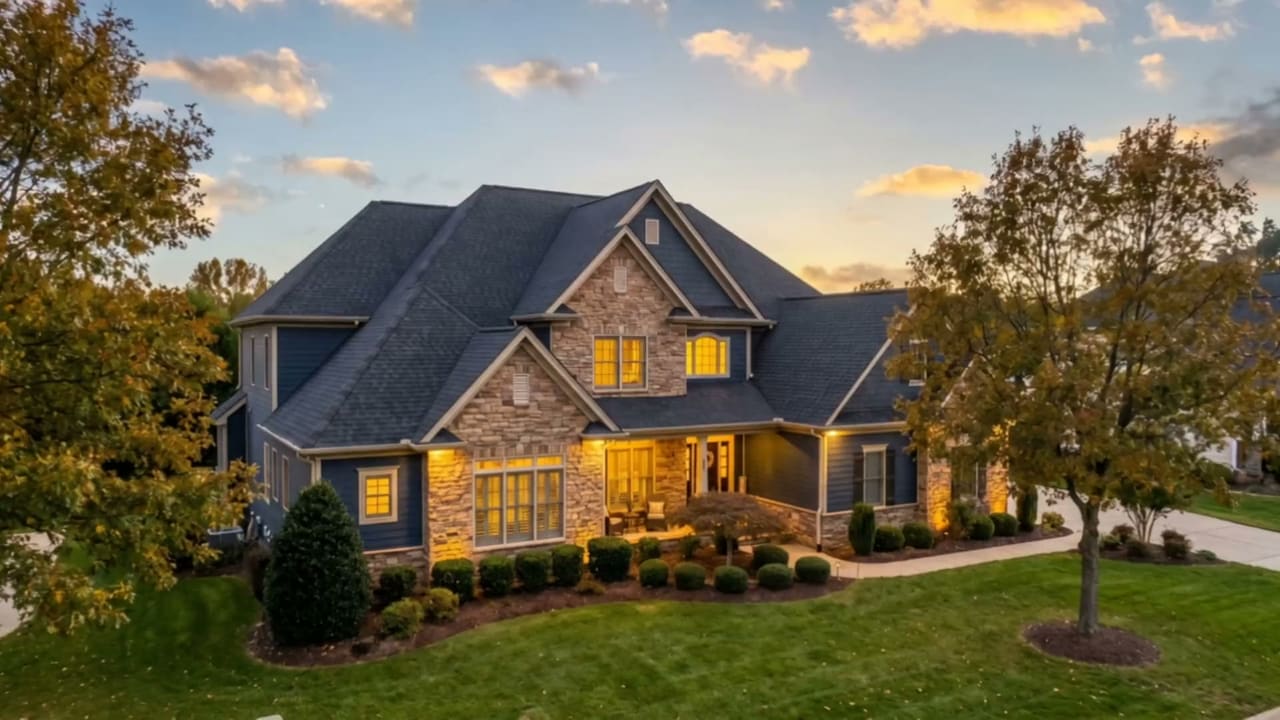
The roof is one of the largest visible surfaces on your house, so its look shapes the whole exterior. Asphalt gives you the widest range of colors and styles and blends into nearly any neighborhood, which is the safe choice for resale. Metal reads as a modern, premium upgrade that some buyers love and others find too different for the street.
For resale, a clean and newer roof of any material helps a sale, because it tells buyers they will not face a big expense soon. An aging or streaked roof does the opposite and often becomes a bargaining chip to push the price down. If you are choosing color, match it to your brick or siding and view a full sample on the roof in daylight, since small chips never read the same as a finished roof.
Brands and Warranties Within a Material
Once you settle on a material, the brand and warranty become the next layer. In asphalt, three manufacturers dominate: GAF, Owens Corning, and CertainTeed. Their flagship architectural lines are broadly comparable, and the bigger differences for a homeowner are the warranty and the quality of the installation.
The strongest warranties are tied to certified installers. GAF, for example, reserves its best system warranty for contractors who earn its Master Elite certification, which only a small share of roofers hold. Summit & Oak is a GAF Master Elite roofer, which is what lets us register the enhanced warranty coverage. A long warranty on paper means little if the contractor is not certified to back it, so material, brand, and installer all connect.
So Which Material Is Right for You?
Use three questions to narrow it down. How long will you stay? Longer stays favor metal or premium materials that you may never replace. Shorter stays favor architectural asphalt, which easily outlasts your time in the house at a lower price. What is your budget today? If the metal premium is a stretch, a quality architectural shingle is an excellent roof and nothing to apologize for. And what look do you want, since you are the one who lives with it.
For most homeowners across Raleigh and the Triangle, an algae-resistant architectural shingle from a major brand, installed by a certified roofer with proper ventilation and flashing, is the right answer. Metal is the upgrade for those staying long term or wanting the modern look and top wind performance. The premium materials serve specific homes and budgets. The best next step is a documented inspection and a clear written estimate for the options you are weighing, so you choose with full information.
Free, documented, and no pressure. A real estimator within the hour.