On This Page
- What Counts as a Roof Replacement, and When You Actually Need One
- What a Complete Roof System Includes
- How Long Does a Roof Replacement Take?
- What a New Roof Costs in the Triangle
- Choosing Your Roofing Material
- How to Pay for a New Roof
- Choosing the Right Contractor
- What to Expect on Installation Day
- The Free Documented Inspection, Then a Clear Plan
A full roof replacement strips the old roof to the deck, repairs any rotted wood, then rebuilds the whole system: synthetic underlayment, ice-and-water shield, drip edge, new shingles, flashing, and ridge ventilation. Most Triangle homes finish in a single day. Plan for $10,000 to $25,000, with size, pitch, and material moving the price.
What Counts as a Roof Replacement, and When You Actually Need One
A roof replacement is not a patch. It is taking the old roof down to the wood and building a brand-new weatherproof system back up. That distinction matters, because plenty of roofs that look tired still have years left and only need a repair, while others that look fine from the street are quietly past their prime.
The honest test is age plus condition. An asphalt roof in the Triangle generally gives you 20 to 30 years. As it nears that window you start to see the telltale signs: shingles curling at the edges, bald spots where the protective granules have washed away, a sagging line along the roof, or repeated leaks that keep moving from one room to the next. When several of those show up at once, you are usually replacing rather than repairing.
The other trigger is math. Once a single repair starts costing a meaningful slice of a full replacement, or you are calling a roofer back every storm season, pouring money into an old roof stops making sense. The rest of this guide walks through exactly what replacement involves so the decision feels clear instead of overwhelming.
What a Complete Roof System Includes
Most homeowners picture a roof as just shingles. In reality a quality roof is a layered system, and the shingles are only the part you can see. Each layer does a job, and skipping one to shave the price is where cut-rate jobs fail early.
A proper replacement rebuilds every layer from the wood up. Starting at the deck, here is what goes back on and why it matters.
- Decking inspection and repair: rotted or soft sheathing is replaced so the new roof has solid wood to grip.
- Synthetic underlayment: a tough, water-shedding layer over the whole deck, far stronger than old felt paper.
- Ice-and-water shield: a self-sealing membrane in the valleys and along vulnerable edges where water tends to back up.
- Drip edge: metal flashing at the eaves and rakes that directs runoff into the gutters instead of behind them.
- Shingles: the visible weather layer, nailed in the manufacturer's pattern so the wind warranty actually holds.
- Flashing: metal seals around chimneys, walls, skylights, and pipes, the spots where most leaks begin.
- Ridge ventilation: a vent along the peak that lets hot attic air escape so the deck and shingles do not cook from below.
How Long Does a Roof Replacement Take?
This is the question almost every homeowner asks first, and the answer is reassuring. The great majority of homes across Raleigh and the Triangle are torn off and reroofed in a single day, start to finish, with a full crew on site.
A few things stretch that timeline. A large or steeply pitched roof, a complex shape with lots of valleys and dormers, widespread decking rot found during tear-off, or rain in the forecast can push a job into a second day. A roofer cannot lay shingles on wet decking, so weather is the variable nobody controls.
Day-of, the work moves in a clear sequence: the crew protects your landscaping and windows, tears off the old roof, inspects the bare deck, dries it in, installs the new system, then does a thorough cleanup and a magnet sweep for stray nails. If you want the hour-by-hour version, the timeline guide breaks the whole day down.
What a New Roof Costs in the Triangle
Most roof replacements in the Triangle land between $10,000 and $25,000. That is a wide band on purpose, because no two roofs are the same, and a roofer who quotes a firm number sight-unseen is guessing.
Several things decide where your project falls in that range. The table below lines up the biggest levers so you can see what is actually moving the price, rather than treating the quote as a black box.
| Cost driver | Why it matters | Effect on price |
|---|---|---|
| Roof size | More squares mean more material and labor | Large mover |
| Pitch and complexity | Steep, cut-up roofs are slower and need more safety setup | Large mover |
| Material choice | Premium shingle, designer, or metal cost more than standard architectural | Largest mover |
| Decking repair | Rotted sheathing found at tear-off must be replaced | Variable, often a few hundred to a few thousand |
| Tear-off layers | Two old layers cost more to strip and haul away | Moderate mover |
| Add-ons | New gutters, ventilation upgrades, and flashing | Moderate mover |
Choosing Your Roofing Material
Material is the single biggest lever on both cost and how the roof looks, so it is worth a real decision rather than just defaulting to whatever the salesperson pushes. For most Triangle homes the choice comes down to a handful of options.
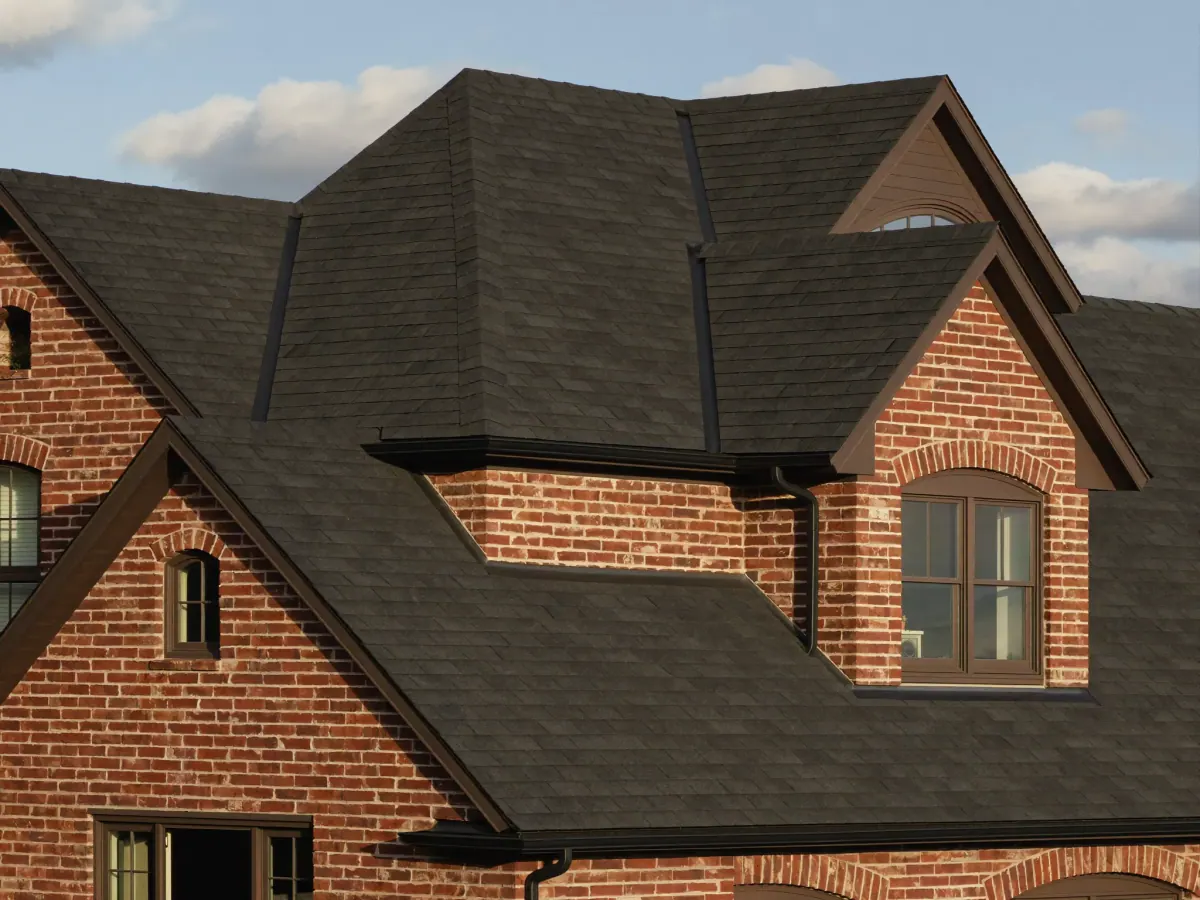
Architectural shingles are the value sweet spot. They cost the least to install, come in dozens of colors, carry strong warranties, and easily handle North Carolina heat and storms when they are installed right. Designer and premium asphalt step up the look and lifespan for more money. Standing-seam metal costs more up front but can last 40 to 70 years and shrugs off high wind, which makes it a strong pick for a forever home.
There is no universally best material, only the best fit for your budget, your roof, and how long you plan to stay. The honest move is to get a written estimate for the one or two options you are weighing and compare them side by side.
How to Pay for a New Roof
A roof is a planned expense, and you rarely have to write a single large check. Most homeowners use one of four paths, sometimes in combination.
Cash is the simplest if you have it and will not drain your emergency fund. Monthly financing turns the project into a predictable payment, which is how most people handle a roof. If a covered storm caused the damage, insurance may pay the repair minus your deductible. And homeowners with equity sometimes tap a line of credit, which can carry a lower rate but uses the home as collateral.
Whatever route you choose, start from a clear, itemized estimate so you know exactly what you are buying. The full cost guide and financing pages go deeper on the numbers.
Choosing the Right Contractor
The crew matters more than the brand of shingle. A great installer makes a mid-range shingle last; a careless one can void the warranty on the best product made. So vetting the roofer is the most important decision in the whole project.
The basics are a current North Carolina license, real liability and workers' compensation insurance, a local track record with reviews you can read, and a written workmanship warranty in addition to the manufacturer's coverage. Manufacturer certification, like GAF Master Elite, signals a roofer who has met strict standards and can offer enhanced warranties most contractors cannot.
Watch for the warning signs too: storm chasers who knock on doors after weather, pressure to sign today, no written estimate, and anyone who offers to pay or waive your insurance deductible, which is not legal in North Carolina. The contractor guide covers the full list of questions to ask.
What to Expect on Installation Day
Knowing the rhythm of the day takes the stress out of it. The crew arrives early, because they want full daylight, and the first thing they do is protect your property. Tarps go over landscaping and against the walls, and patio furniture and grills get moved clear of the work zone.
Then the old roof comes off, the deck gets inspected and any bad wood replaced, and the new system goes on layer by layer. There is noise and there are people overhead all day, so it helps to plan around it: keep pets inside, park cars away from the house, and let anyone working from home know it will be loud.
At the end, a good crew leaves the site cleaner than they found it. They sweep, they run a magnet across the yard and driveway for stray nails, and they walk the finished roof with you so you understand what was done. A municipal inspection follows to confirm the work meets code.
The Free Documented Inspection, Then a Clear Plan
If your roof is showing its age, the right first step costs nothing. A documented inspection means a roofer safely checks every slope, including the ones you cannot see from the yard, and gives you dated photos plus a written summary of what was found and where.
That record is what turns a vague worry into a clear plan. It tells you honestly whether you are looking at a simple repair or a full replacement, and it gives you the information to choose a material and a budget without pressure. Please do not climb up to check yourself; a roof is far more dangerous to walk than it looks.
Summit & Oak provides that documented inspection free across the Triangle, and the photos and report are yours to keep no matter what you decide. From there, the cluster guides linked below go deep on timeline, tear-off, permits, and choosing a contractor.
Free, documented, and no pressure. A real estimator within the hour.