Get Your Free Estimate in 60 Seconds.
No phone tag. Tell us what is going on and we take it from there.
On approved credit. Estimate only, not an offer to lend.
A documented roof replacement project in Durham, NC, start to finish.
Roof Replacement in Durham, NC
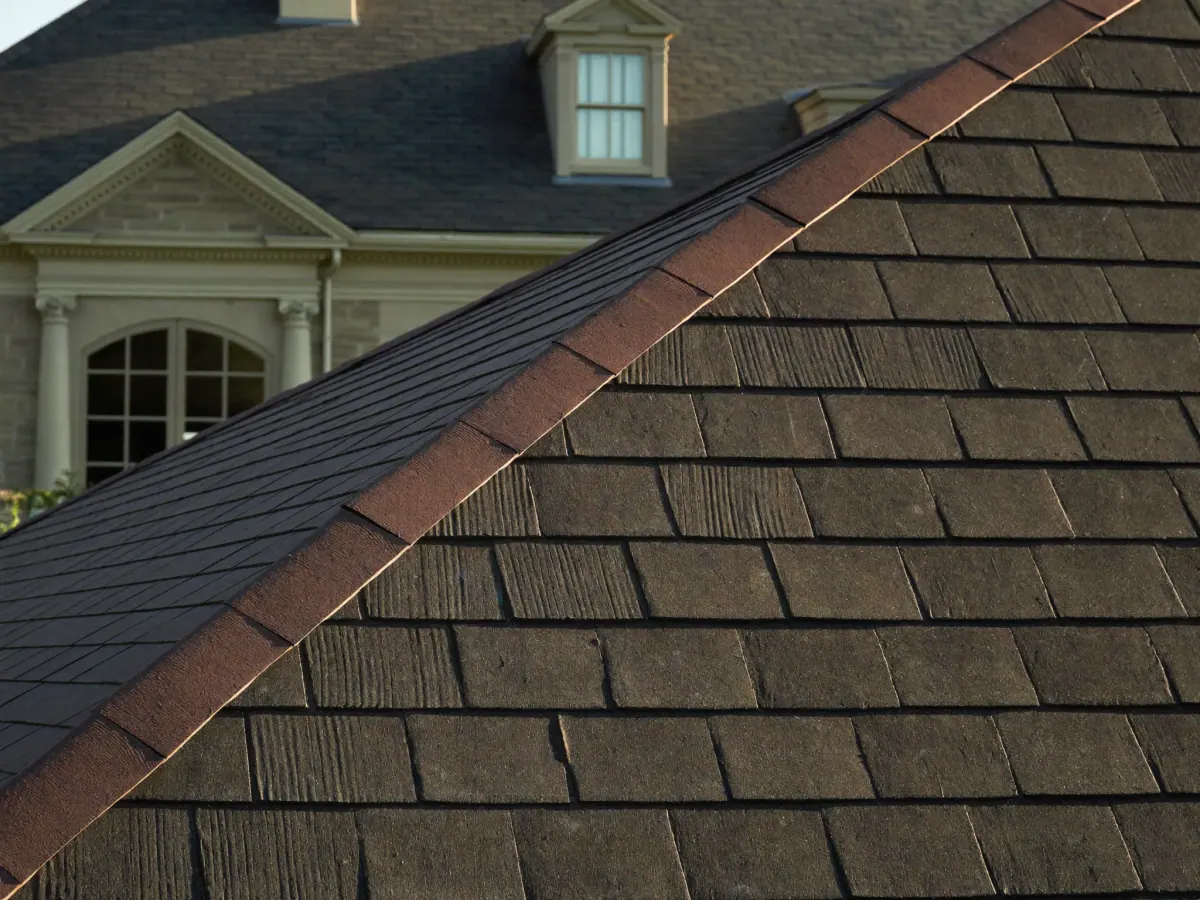
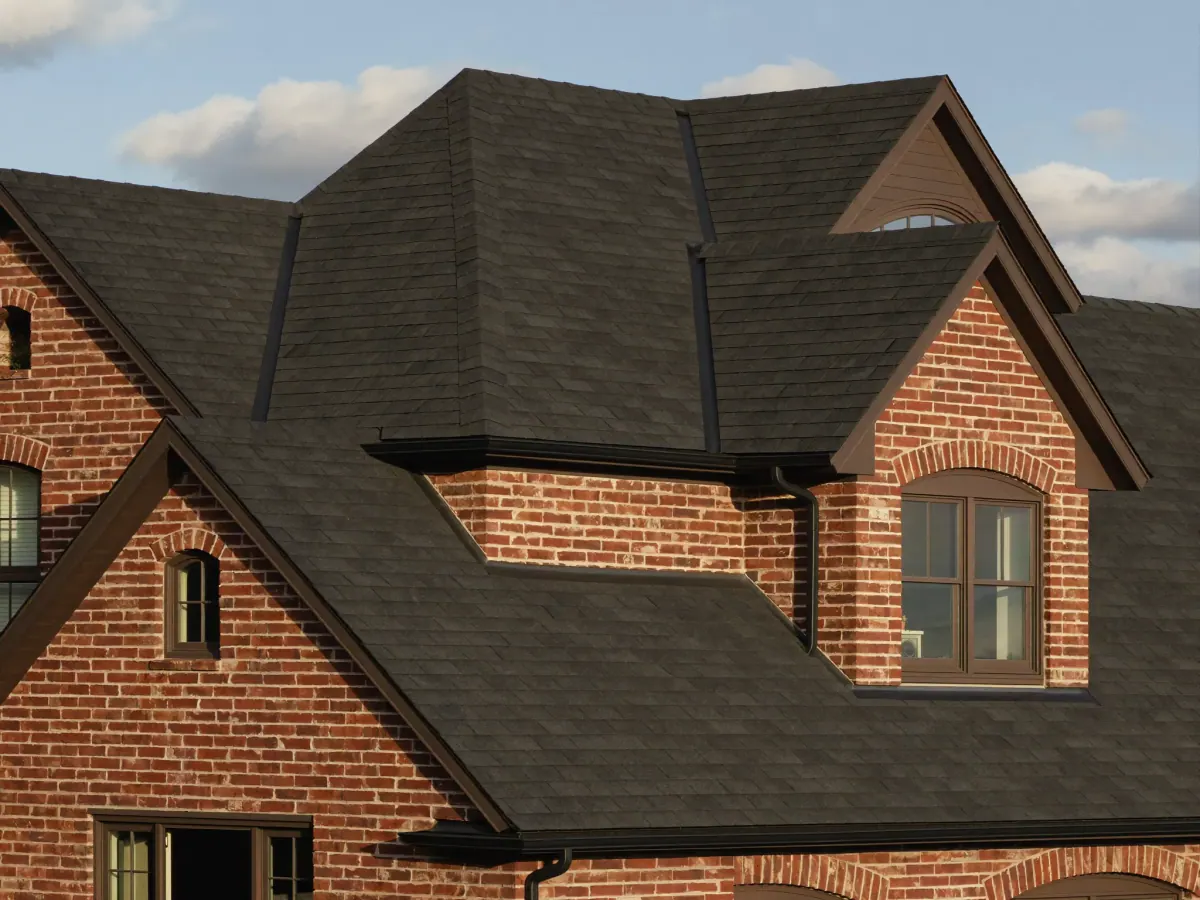
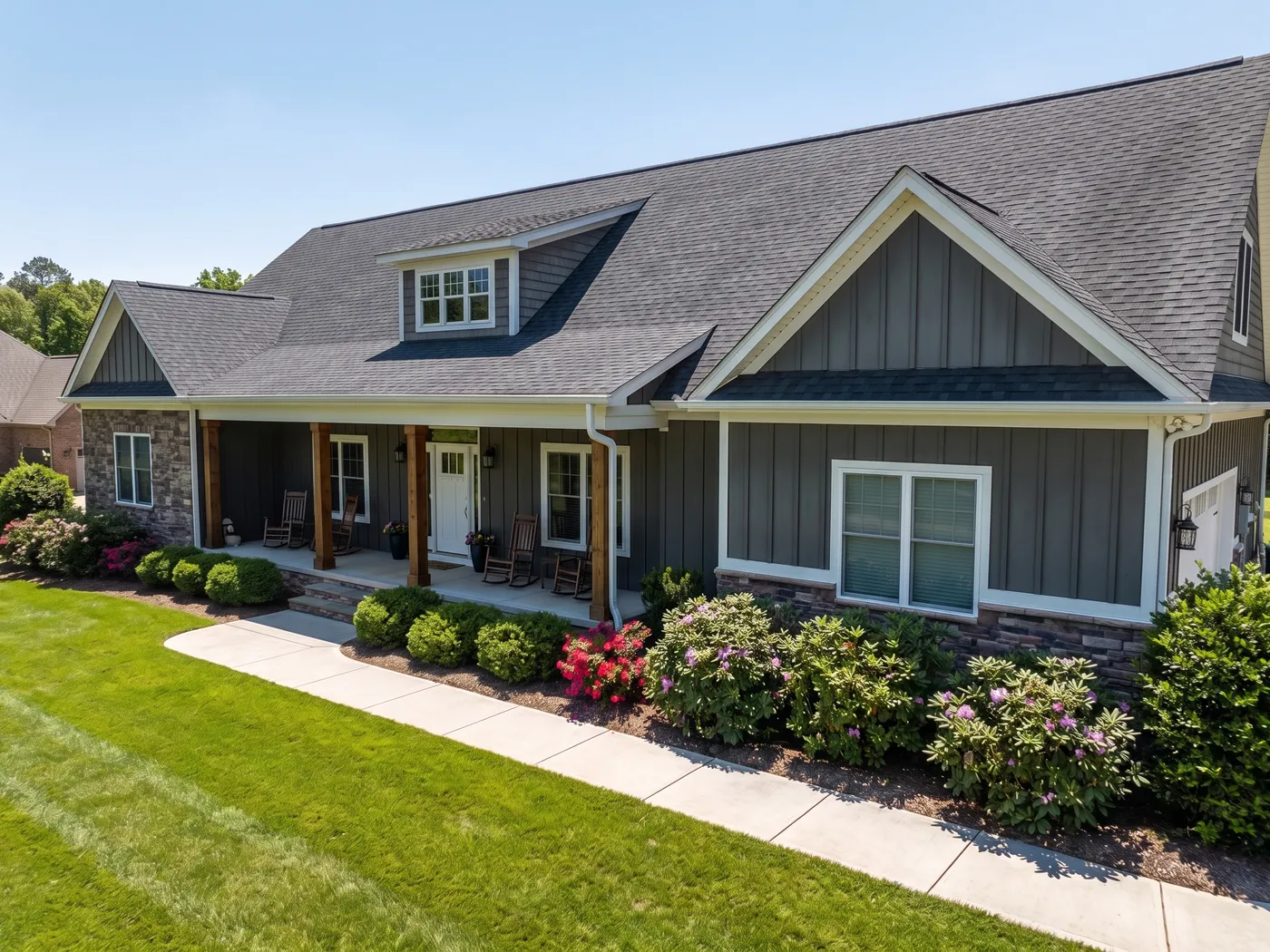
A 1925 craftsman in Trinity Park carried a low-pitch roof where the original wide-eave flashing had let water track under the shingles for years. We re-roofed to the historic profile, rebuilt the eave and valley flashing, and set ice-and-water shield through every valley the shallow pitch demanded. Because Durham sits in its own county, the permit ran through the City-County Inspections Department, a different jurisdiction than Wake. Finished with the oak-canopy debris swept and the streetscape character intact.
- Location
- Durham, Durham County
- Completed
- October 2024
- Service
- Roof Replacement
The Situation
A 1925 Craftsman bungalow on a deep, oak-shaded lot in Trinity Park, the Duke East Campus neighborhood that holds 751 contributing buildings from the 1890s through 1960 and carries the deepest genuinely historic housing stock in the Triangle. The block reads exactly as the National Register nomination describes it: low, wide-eaved bungalows with broad front porches and exposed rafter tails, set under a mature hardwood canopy. The owners had bought the house knowing the roofline was anything but standard and had patched leaks at the porch eave for years before calling Summit & Oak to learn whether the original roof could finally be done right. Because Durham sits in its own county, the work falls under the City-County Inspections Department, the Durham City-County Building & Safety office that serves both the city and the county from one location and runs different forms and review steps than Wake County, not the Raleigh office most Triangle roofers default to.
The real problem was not a single storm, it was geometry the original 1925 builder never detailed for. The main roof and the wide front-porch shed both ran at a shallow pitch in the 2:12-to-4:12 range, the band where asphalt shingles still drain but water moves slowly enough that wind-driven rain can creep upslope under the tab and bypass the sealant strip entirely. Modern code answers that exact condition with a doubled underlayment system across the whole low-slope plane, but the original roof had a single layer of brittle organic felt and a thin metal eave that had let water track under the shingles for years. The home's defining wide eaves made it worse: the deep overhang holds the shingle edge far out past the wall with no warm interior beneath it, so wind pushes rain back up under the starter course at the most exposed point on the roof. Decades of that slow upslope intrusion, not one dramatic failure, is what had quietly soaked the eave framing.
The System We Installed
Full tear-off to the deck, then a GAF Timberline HDZ architectural system chosen and color-matched to keep the bungalow in character with the Trinity Park streetscape. Because both the main and porch planes sit in the low-slope range, the field was dried in with a doubled underlayment assembly: a full self-adhered GAF StormGuard ice-and-water membrane run across the entire shallow porch shed and through every valley and eave the geometry demanded, with synthetic underlayment lapped over it across the field in place of the old single felt. The corroded eave and valley metal was rebuilt with new flashing detailed to the wide overhang, the two soft decking boards behind the porch eave were cut out and replaced and re-nailed with 8d ring-shank nails, and the rotted rafter-tail ends were repaired so the exposed-tail detail stayed true to the 1925 profile. Shingles were set six nails per shingle to hold the ASTM D7158 wind-resistance class for the Wake-region 115 mph ASCE 7-16 design speed, and the choked attic ventilation under the low roof was opened so the assembly finally breathes.
Timeline & Constraints
A free documented inspection within a couple of days of the call, climbing both the main roof and the porch shed and shooting the soft eave and the failed flashing on dated photos so the owners could see what the patches had been hiding. The tear-off and full re-roof ran a single working day with a five-person crew, with the shallow porch plane dried in first as the priority since it drains slowest and takes wind-driven rain hardest. A passing autumn shower the prior afternoon pushed the start by one morning, so the open low-slope deck was tarped overnight rather than left exposed to track water back under the framing. The job closed with a magnetic nail sweep of the drive, the porch, and the canopy-shaded beds, then the Durham City-County final inspection cleared behind it.
The Outcome
Before: a 1925 Craftsman roof whose shallow pitch and wide eaves had let wind-driven rain creep under a single brittle felt layer for years, with corroded flashing, soft eave decking, and rotted rafter tails. After: a clean architectural roof matched to the Trinity Park streetscape, dried in with the doubled low-slope membrane the geometry always needed, the wide-eave flashing rebuilt, the decking and rafter tails sound, and the historic profile intact. Because this was a planned heritage re-roof and not a storm claim, no insurance was involved, no deductible, and no coverage outcome was promised, just a straight repair-or-replace answer on a house most roofers would have dropped a stock tear-off onto. The finished roof carries our 25-year workmanship warranty, which transfers once to a new owner, a real signal on a Trinity Park block where the next buyer is shopping for a historic home that has finally been roofed right.
- The main roof and the wide front-porch shed both measured in the 2:12-to-4:12 low-slope band, where wind-driven rain travels upslope under the tab and a single felt layer is no longer enough to keep the assembly dry
- A single layer of original brittle organic felt under the field shingles, well short of the doubled low-slope underlayment a shallow pitch requires, with no self-adhered membrane anywhere on the roof
- Original thin galvanized eave and valley flashing that had corroded and pulled loose, the wide-eave detail letting water track under the starter course and back along the rafter tails for years
- Two soft, water-darkened decking boards behind the porch eave where the slow upslope intrusion had finally reached the framing, plus surface rot on the exposed rafter-tail ends that define the Craftsman profile
- Mature oak-canopy debris packed into the shallow valleys and along the eaves, holding moisture against the shingle edge on the slowest-draining planes and feeding the rot
- A single shingle layer confirmed at the rake, which kept the job inside North Carolina's two-layer maximum but meant a full tear-off to the original plank-and-board deck rather than an overlay
Start with a free, documented inspection. We will show you exactly what we found and what it costs, in writing.
“Hail took out half the neighborhood. Summit & Oak had photos in my inbox that same afternoon and met my adjuster on the roof a few days later.”