Get Your Free Estimate in 60 Seconds.
No phone tag. Tell us what is going on and we take it from there.
On approved credit. Estimate only, not an offer to lend.
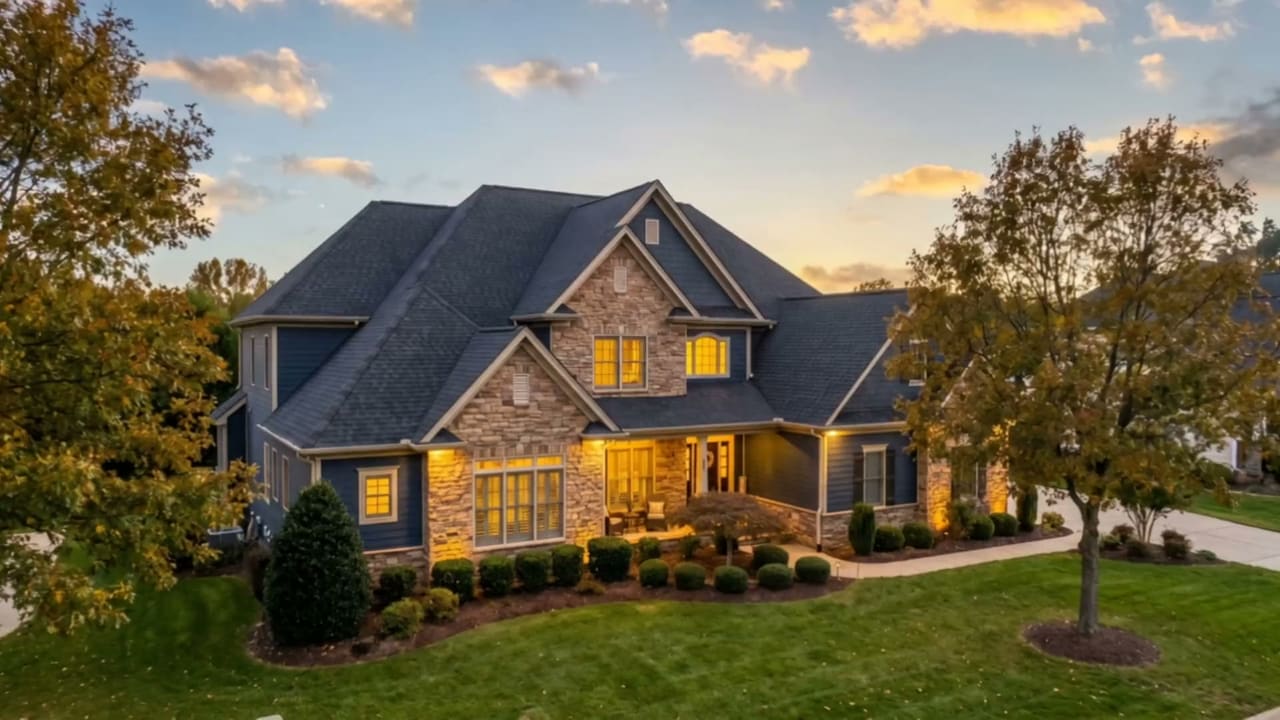
A documented roof replacement project in Fuquay-Varina, NC, start to finish.
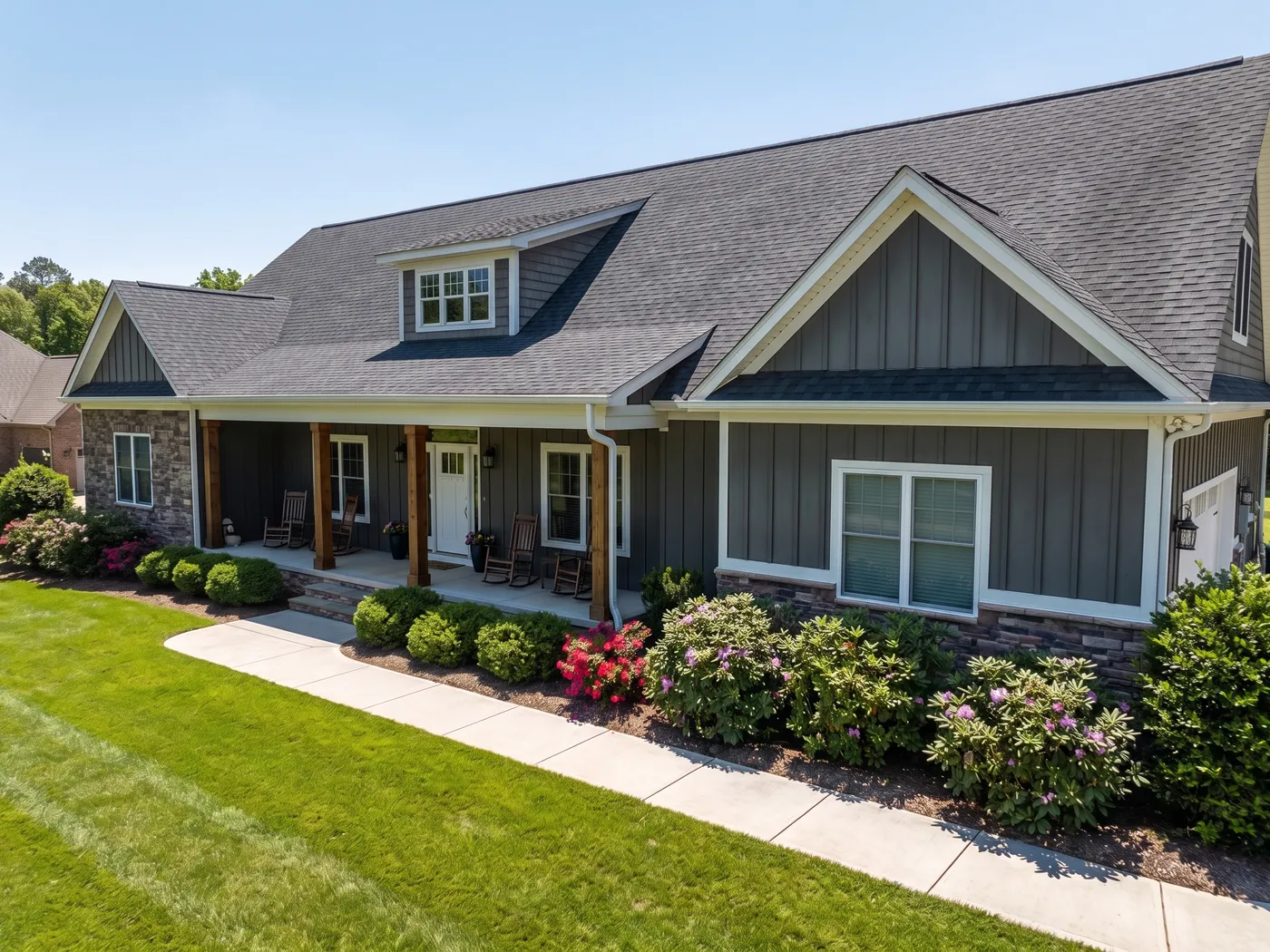
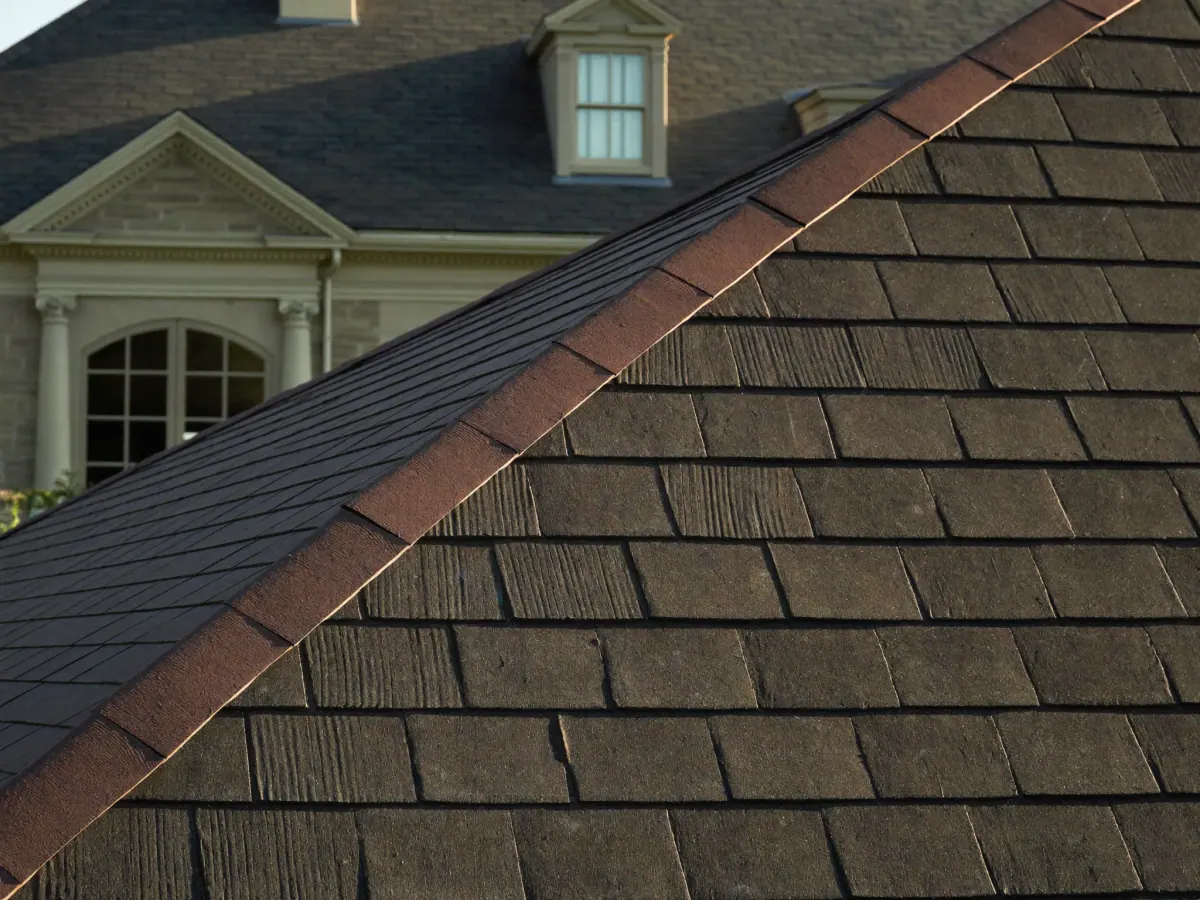
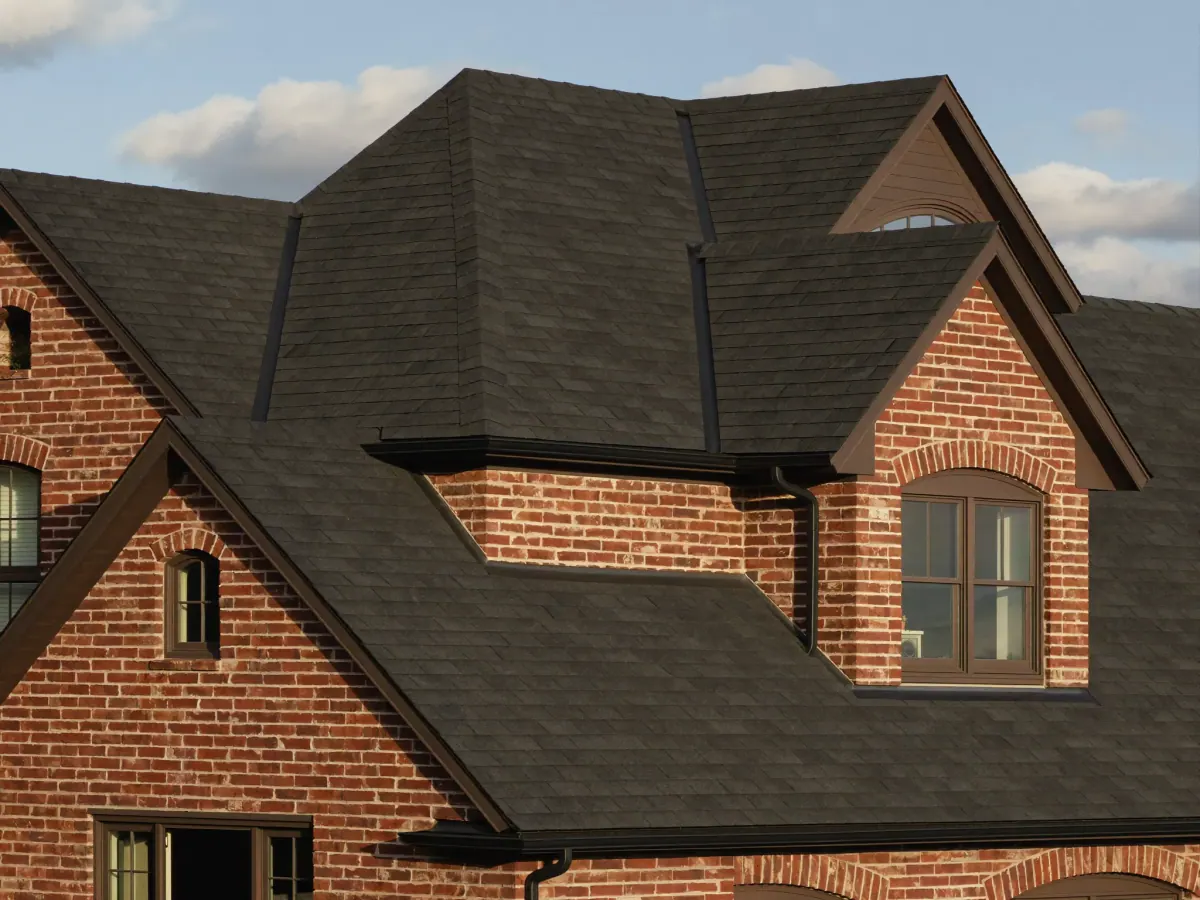
Roof Replacement in Fuquay-Varina, NC
The original builder-grade shingles on this South Lakes home had reached the end of their run on the same timeline as half the subdivision around it. We stripped the single layer, corrected the choked ridge ventilation the builder had skipped, and installed a full 30-year architectural system with synthetic underlayment rated for Triangle summer heat. Permitted through the Town of Fuquay-Varina Inspections Department on North Main Street and swept clean of the last nail before dark.
- Location
- Fuquay-Varina, Wake County
- Completed
- April 2025
- Service
- Roof Replacement
The Situation
A two-story home in South Lakes, the master-planned community off Old Honeycutt Road that opened in 2007 and was named North Carolina's Master Planned Community of the Year by the state Home Builders Association in 2009. It was one of the first wave of South Lakes builds, and like much of the subdivision it carried the original builder-grade shingle the whole street went up with. The owners called Summit & Oak in the spring of 2025 after a neighbor two doors down had just re-roofed, and after they noticed dark patches and grit washing out of the downspout. The home sits inside the Fuquay-Varina town limits in Wake County, so the work falls under the Town of Fuquay-Varina Inspections Department on North Main Street and the 2018 North Carolina Residential Code.
This was end-of-life, not storm damage. The original builder-grade shingle was roughly eighteen years into a service life that builder-grade asphalt rarely carries past twenty in the Triangle, and it had aged the way a whole subdivision ages at once: in a wave, on the same timeline as the houses around it. Eighteen North Carolina summers of thermal cycling, where the roof plane heats past 150 degrees by afternoon and drops fast under a pop-up thunderstorm, had baked the asphalt brittle and let go of the granules that shield the mat from UV. The builder had also under-vented the attic, which cooked the shingles a second time from below and pulled years off the roof. The result was systemic field failure, not a single damaged slope, which is why the answer was a clean replacement rather than a patch.
The System We Installed
Full tear-off of the single original layer down to the deck, then a complete GAF Timberline HDZ architectural shingle system installed to the 2018 NCRC: a self-adhered ice-and-water membrane at the eaves and through every valley, synthetic underlayment across the full field in place of the old felt, new aluminum drip edge, and a 6-nail-per-shingle high-wind fastening pattern to carry the Wake County 115 mph ASCE 7-16 / ASTM D7158 design class. The deck came up sound, so no sheathing was replaced. The ventilation was corrected to code: the powered fan came out, a continuous baffled ridge vent went in for the upper-portion exhaust the R806 50/40-to-50 balance calls for, and the soffit intake was opened and baffled so the new assembly finally breathes the way the manufacturer warranty requires.
Timeline & Constraints
A free documented inspection within 24 hours of the call, with all four planes photographed and the granule loss, thermal splits, and choked ventilation shown to the owners on their own report so the end-of-life call was theirs to confirm. The tear-off and full re-roof ran a single working day with a five-person crew, with the start watched against an unstable spring afternoon so an open deck never sat under a pop-up storm. A magnetic nail sweep of the driveway, walks, and beds closed the job, and the Town of Fuquay-Varina final inspection cleared behind it.
The Outcome
Before: an eighteen-year-old first-generation builder roof with granule-stripped, thermally split, seal-failed shingles aging out on the same timeline as half the subdivision. After: a clean architectural HDZ roof matched to the South Lakes streetscape, with documented wind resistance back to the 115 mph code and an attic that finally vents the way it should, which is the single biggest lever on how long the new roof lasts. This was a straightforward homeowner-paid replacement, not an insurance job, so there was no claim, no adjuster, and nothing promised about coverage. The finished roof carries Summit & Oak's 25-year workmanship warranty, which transfers once to a new owner, a real asset in a young, fast-turning subdivision where buyers shop for a roof they will not have to think about.
- Heavy granule loss across the south and west planes, with washed mineral grit collecting in the gutters and at the downspout outlets and bare black asphalt mat showing through on the most sun-exposed courses
- Thermal splitting in a vertical, stair-step pattern across multiple shingle courses, the system-level signature of an aged field under repeated heat cycling rather than the random tear pattern of wind
- Seal-bond failure across dozens of shingles that lifted under light hand pressure, the field no longer holding the ASTM D7158 wind resistance the Wake County 115 mph design class requires
- Builder-skipped continuous ridge venting, with a single powered attic fan left to fight a passive system, so the attic ran hot and aged the shingles a second time from underneath
- Attic intake well short of the 2018 NCRC R806 one-to-300 net-free-area target, with no baffles holding the insulation back off the soffit so the few vents that existed were partly choked
- Brittle, cupped tabs that cracked when walked, confirming the mat had dried out across the whole field and that the same first-generation roof was nearing failure on neighboring South Lakes homes too
Start with a free, documented inspection. We will show you exactly what we found and what it costs, in writing.
“Hail took out half the neighborhood. Summit & Oak had photos in my inbox that same afternoon and met my adjuster on the roof a few days later.”