Get Your Free Estimate in 60 Seconds.
No phone tag. Tell us what is going on and we take it from there.
On approved credit. Estimate only, not an offer to lend.
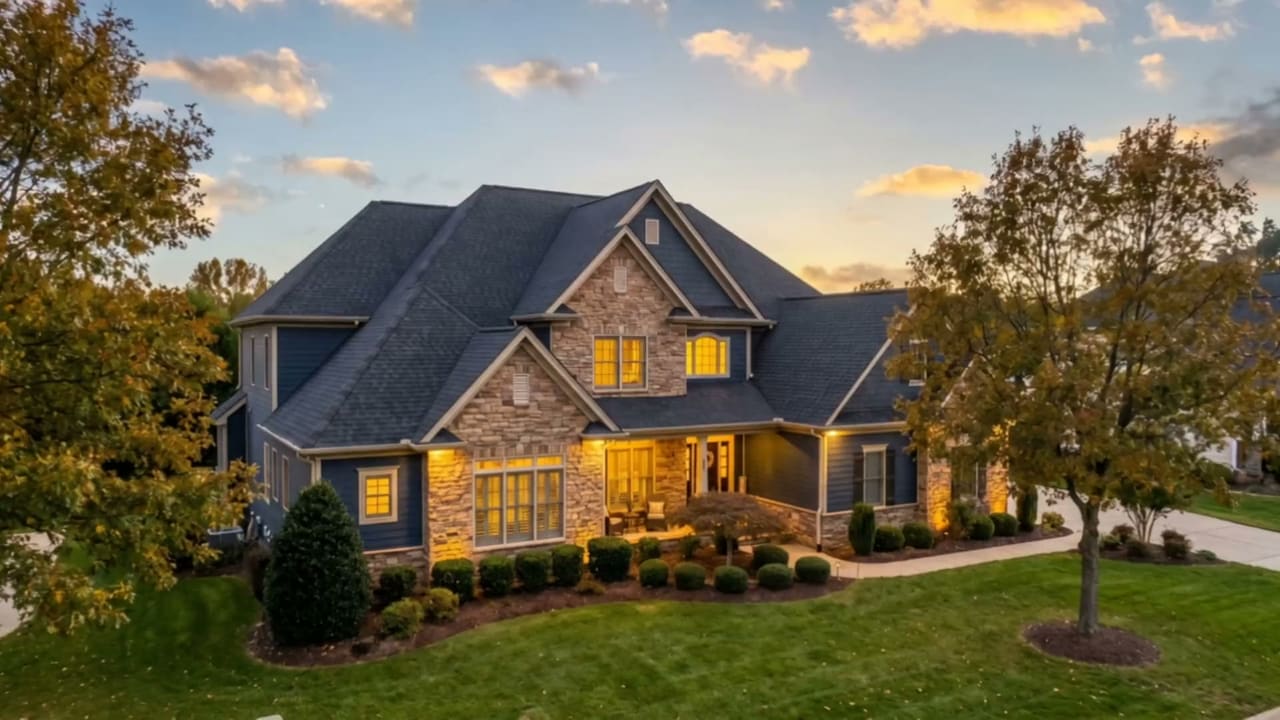
A documented roof repair project in Apex, NC, start to finish.
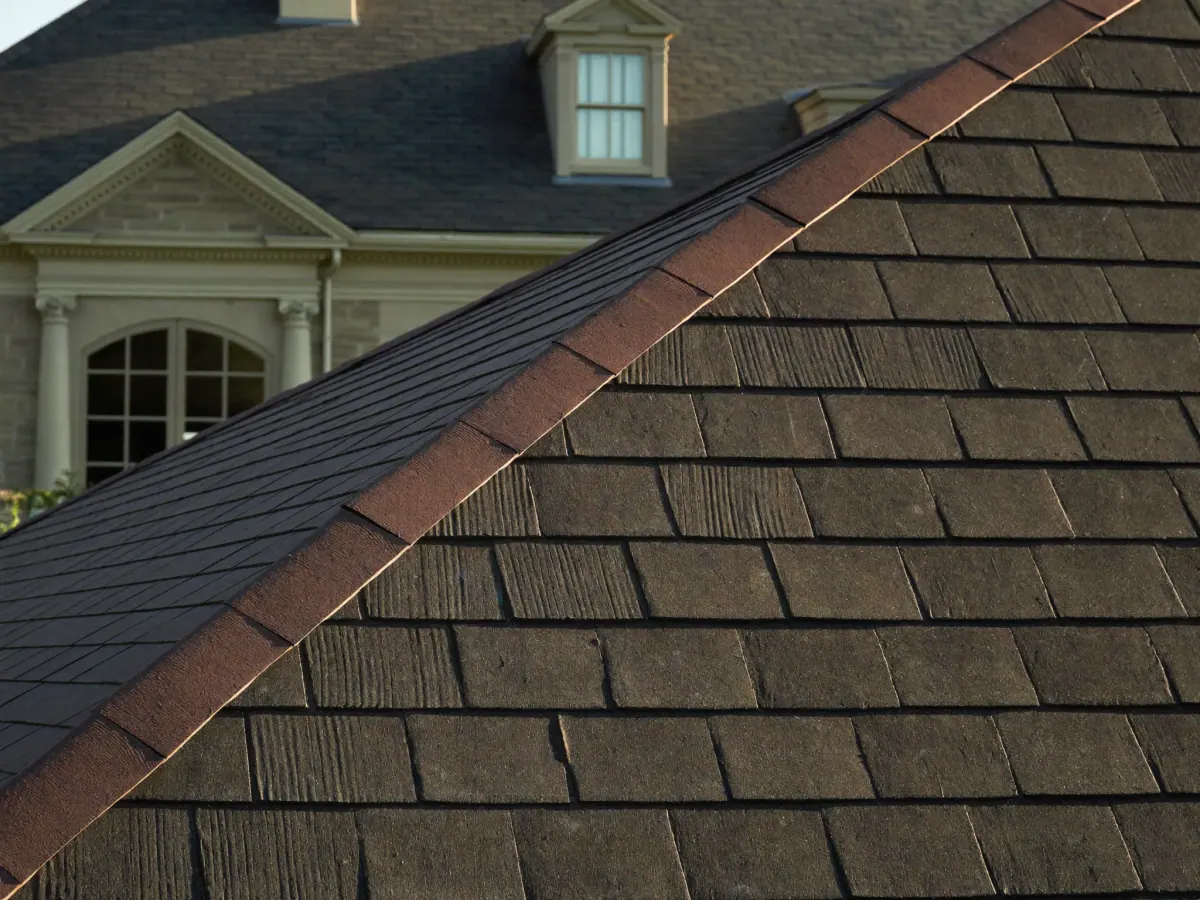
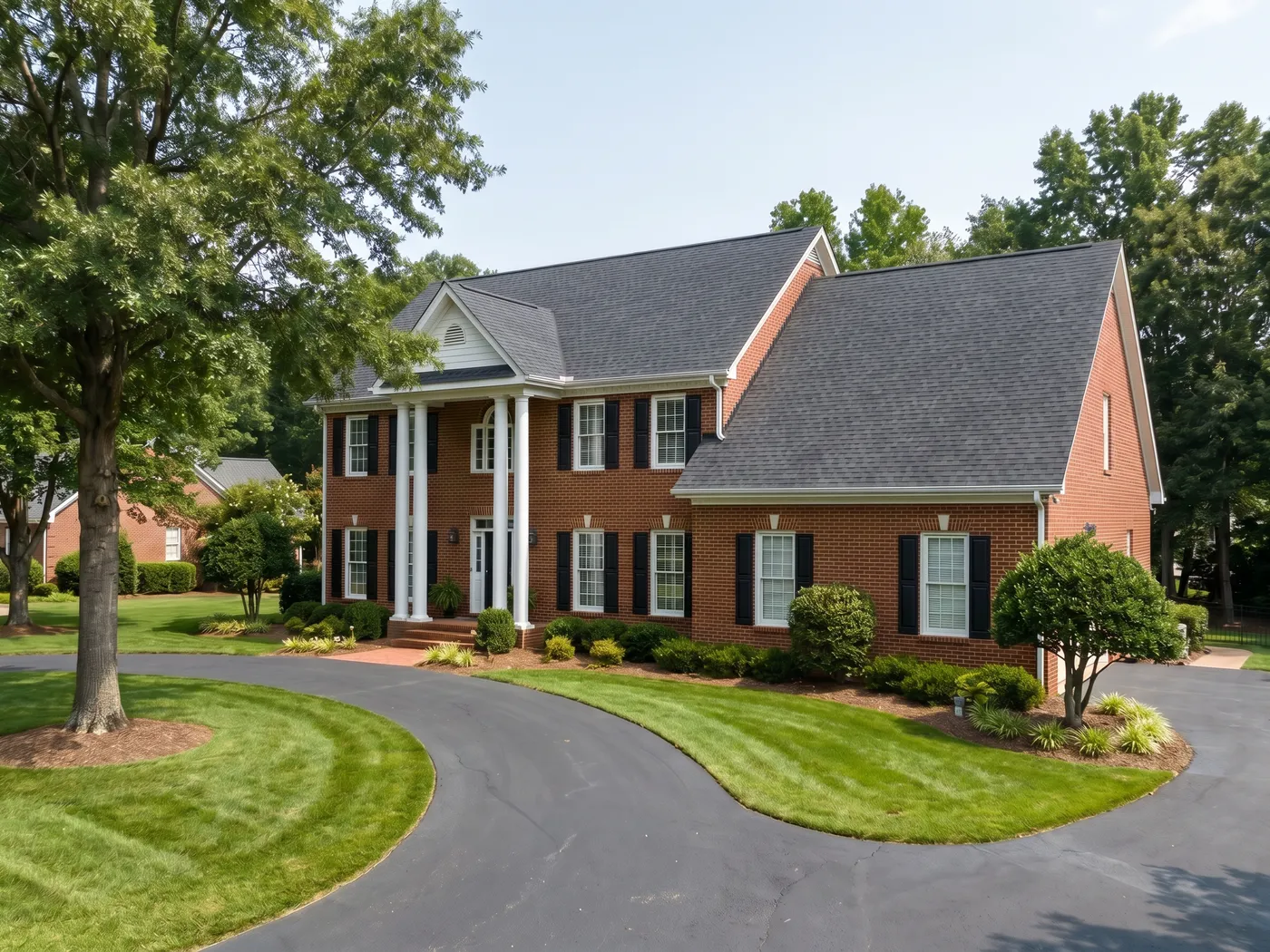
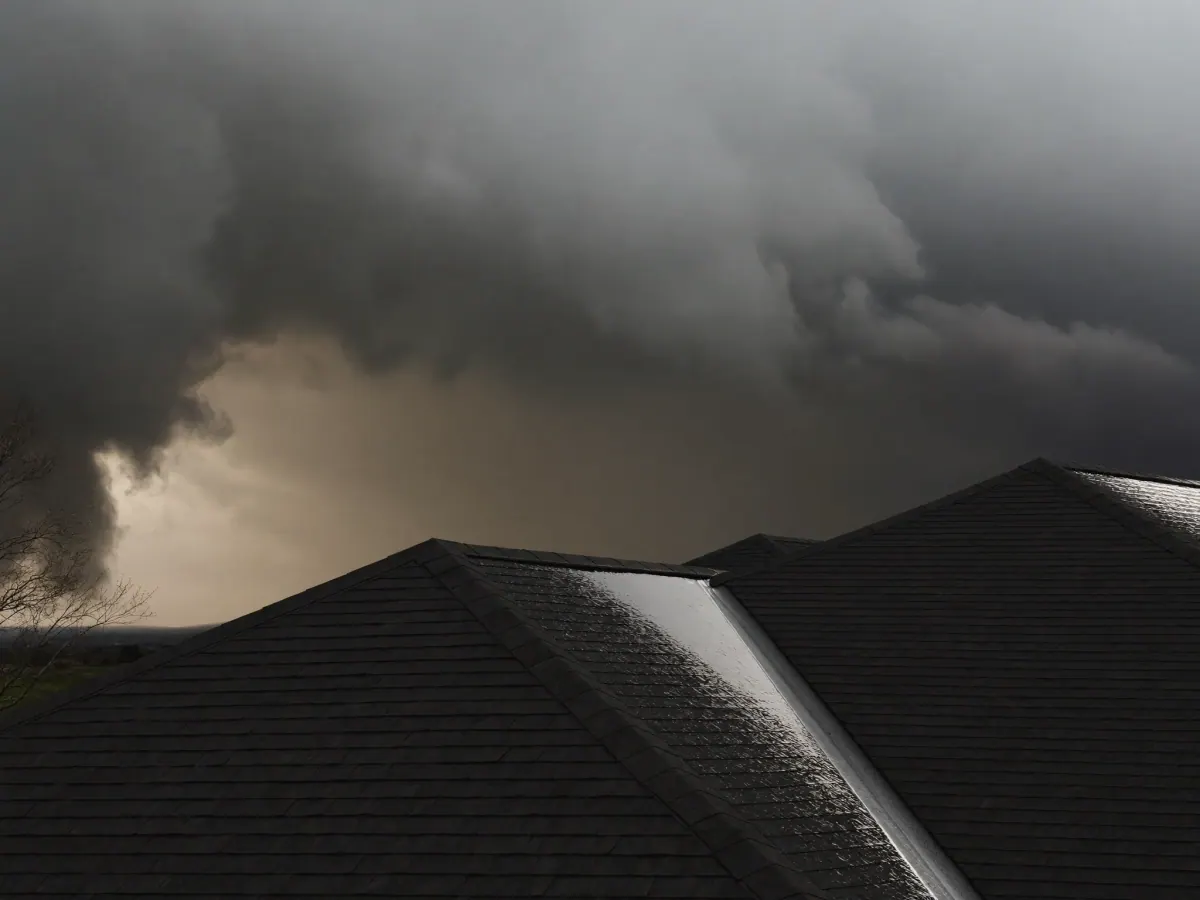
Roof Repair in Apex, NC
An 1890s home in the Salem Street historic district had recurring leaks at a steep valley and chimney where wind-driven rain found failed step flashing. We rebuilt the flashing and the chimney cricket, replaced the rotted valley boards, and matched the original roofline profile through Town of Apex historic review. The repair held through the next storm season without disturbing the home's historic character.
- Location
- Apex, Wake County
- Completed
- November 2024
- Service
- Roof Repair
The Situation
An 1890s two-story frame house on the downtown Salem Street side of the Apex Historic District, the railroad-town core that was listed on the National Register of Historic Places on March 17, 1994 and holds 60 buildings raised between 1870 and 1940. The home wears the steep, cut-up roofline of its era, a brick chimney rising through the back slope and a deep valley where a rear ell meets the main mass, the Queen Anne and Italianate detailing the district is known for. The owners had chased the same two ceiling stains through three earlier patch jobs by other crews, and called Summit & Oak after a fall storm reopened both. Because the address falls inside the local historic overlay, the project runs through Town of Apex Building Inspections with the added district sensitivity that any exterior change has to read as if nothing changed.
The leaks were never a field-shingle problem, which is why patching the field never held. The brick chimney measured wider than 30 inches across its upslope face yet had no cricket behind it, so for a century rainwater and leaf pack had nowhere to divert and instead ponded in the dead pocket between the chimney back and the rising slope, working under the shingles and standing on the deck. The original step flashing had been face-nailed and then buried under successive coats of roofing tar by earlier repair attempts, a seal that cracks every freeze-thaw cycle and channels water inward rather than out. At the rear valley the open metal had corroded through at the throat, and the constant moisture had quietly rotted the valley boards and a band of sheathing beneath, the slow structural failure these complex older rooflines invite when the water path is wrong at the detail.
The System We Installed
A targeted reframe-and-reflash of the two failure zones rather than a full re-roof the house did not need. We cut out the rotted valley boards and the soft band of sheathing and replaced them with new plywood ring-shanked to the rafters, then rebuilt the chimney with a framed plywood cricket sized to divert flow around the wide upslope face. New L-shaped copper step flashing was woven one piece per shingle course up both chimney sidewalls and the rear sidewall, isolated from incompatible metals to head off galvanic corrosion, and capped with fresh counterflashing reglet-cut into raked-and-repointed mortar joints, never face-sealed with tar. The rebuilt valley took a self-adhered ice-and-water membrane the full length before a new open copper valley lining went down, and the surrounding field shingles were laced back in to match the existing weathered profile so the repair disappears into the historic roofline.
Timeline & Constraints
A free documented inspection within the week of the call, with the chimney pocket, the corroded valley throat, and both interior stains photographed and tied together before any scope was written. The repair itself ran two working days with a three-person crew: day one to strip the failed details, cut out and replace the rotted decking, frame the cricket, and dry-in the valley under membrane; day two to set the copper step flashing, repoint and reglet the counterflashing, install the new valley lining, and lace the field back in. A cold rear-loaded front in the forecast set the constraint, so the open valley and chimney were dried-in and watertight under membrane and tarp at the end of day one rather than left exposed overnight. Final magnet sweep of the drive and beds closed it out.
The Outcome
Before: an 1890s roof with a missing cricket, tar-buried step flashing, a corroded valley, hidden deck rot, and two recurring interior stains that three prior patch jobs had failed to stop. After: a code-correct cricket diverting the chimney pocket, woven copper step flashing tucked behind freshly repointed counterflashing, a rebuilt copper valley over new sheathing and ice-and-water membrane, and a finished detail that reads as original from the street so it sits right with the district's historic character. The repair held through the next full storm season with both ceilings dry. The flashing and valley rebuild carries our 25-year workmanship warranty, which transfers once to a new owner, a real resale signal on a National Register block where buyers value a roof that was corrected at the detail rather than papered over. We documented the failure points for the owners' records; no insurance claim was filed on this job and no coverage outcome was promised.
- No cricket or saddle behind a chimney measuring well over the 30-inch upslope width that triggers one, leaving a century-old ponding pocket where water and debris collected against the brick
- Original step flashing face-nailed and entombed under layered roofing cement from three prior patch attempts, the cracked-tar seal funneling water into the deck instead of shedding it down each course
- Valley metal corroded through at the throat where two slopes converge, with the open-valley lining failed exactly where flow concentrates
- Rotted valley boards and a roughly four-foot band of soft sheathing beneath the failed valley, the slow structural damage the earlier surface patches had hidden
- Counterflashing mortar joints raked out and weathered loose at the chimney, so even sound step flashing had no cap to tuck behind
- Both interior stains traced by moisture meter to the two failure points, confirming the field shingles themselves were sound and a full tear-off was not warranted
Start with a free, documented inspection. We will show you exactly what we found and what it costs, in writing.
“Hail took out half the neighborhood. Summit & Oak had photos in my inbox that same afternoon and met my adjuster on the roof a few days later.”