Get Your Free Estimate in 60 Seconds.
No phone tag. Tell us what is going on and we take it from there.
On approved credit. Estimate only, not an offer to lend.
A documented roof replacement project in Garner, NC, start to finish.
Roof Replacement in Garner, NC
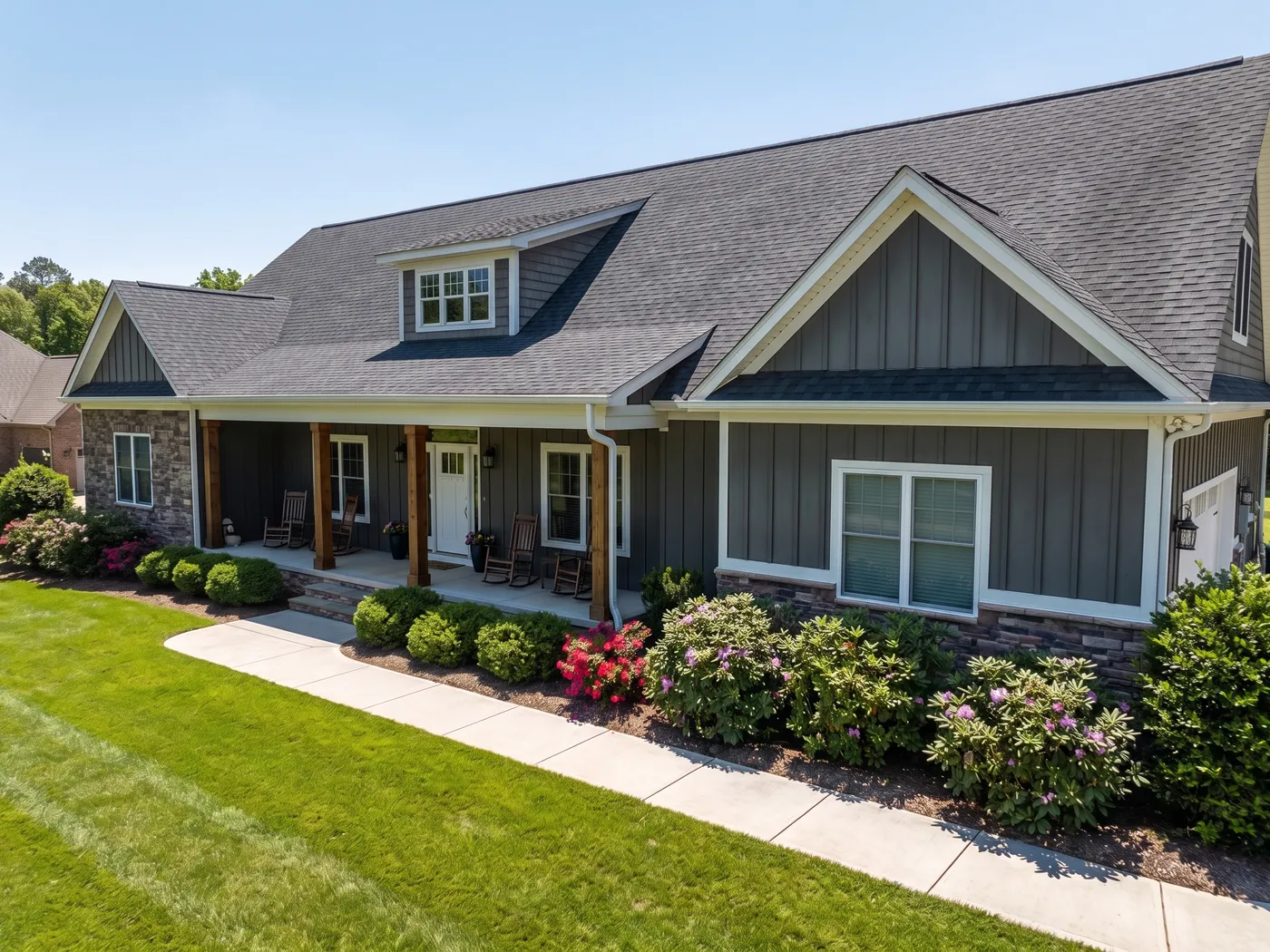
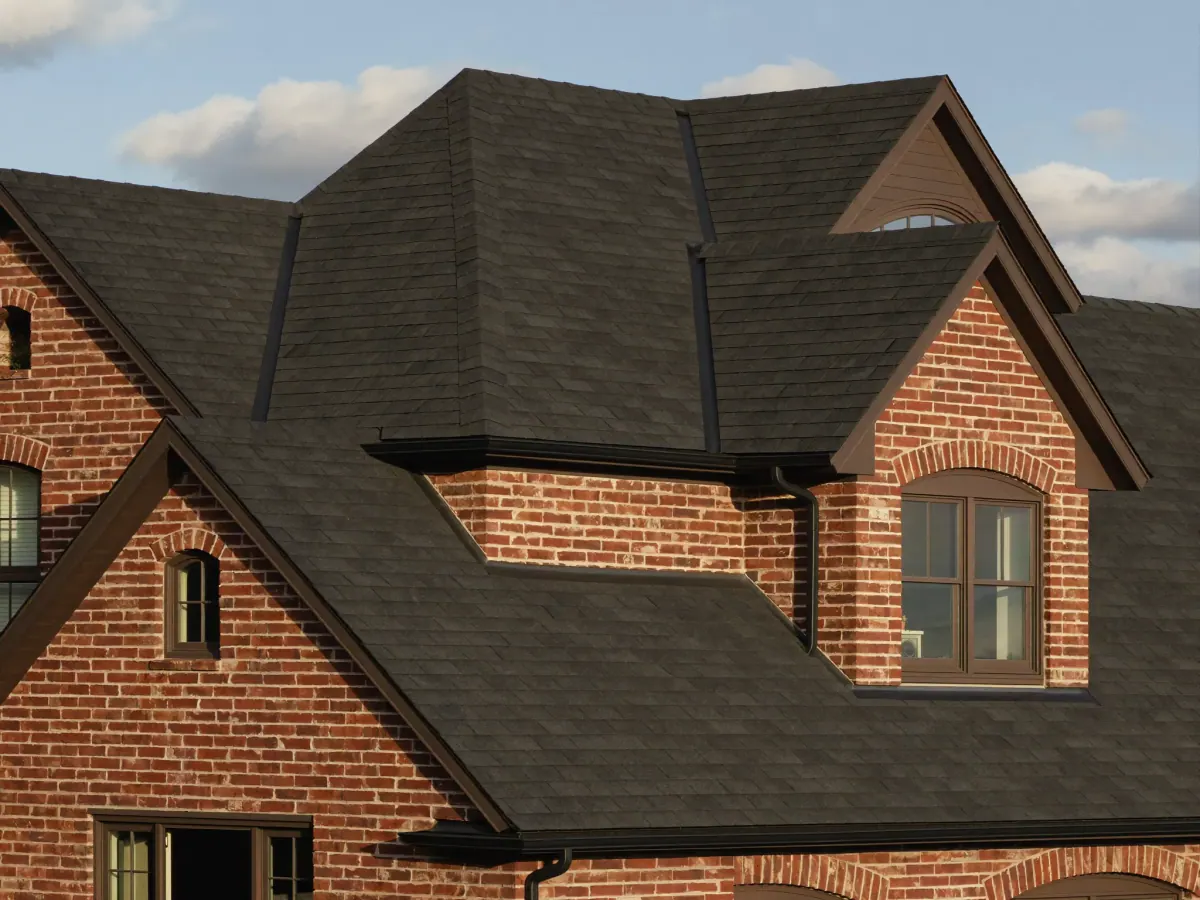
The north slope of this Creekside home near Lake Benson had gone black with Gloeocapsa algae after years of lake humidity and shade. We replaced it in 2025 with an algae-resistant architectural shingle carrying a 10-year StainGuard limit, corrected the choked north-side ventilation feeding the moisture, and cleared 3 valleys of debris. Permitted through the Town of Garner Inspections, the GAF system has stayed clean through a full season.
- Location
- Garner, Wake County
- Completed
- June 2025
- Service
- Roof Replacement
The Situation
A two-story home built around 1999 in the Creekside subdivision off Rand Road at Roaring Creek Drive, on the south side of Garner a few minutes from Rand Road Elementary and the Lake Benson Park trailheads. Creekside went up in a single late-1990s wave, so the street is full of original builder roofs that all aged into their third decade at once, and this owner had watched the north face of theirs darken streak by streak each summer until a neighbor's freshly replaced roof made the contrast impossible to ignore. The lots back up to the wooded creek buffer that gives the neighborhood its name, which keeps the shaded slopes damp long after a rain. The home sits inside town limits, so the permit runs through the Town of Garner Inspections department under the 2018 North Carolina Residential Code.
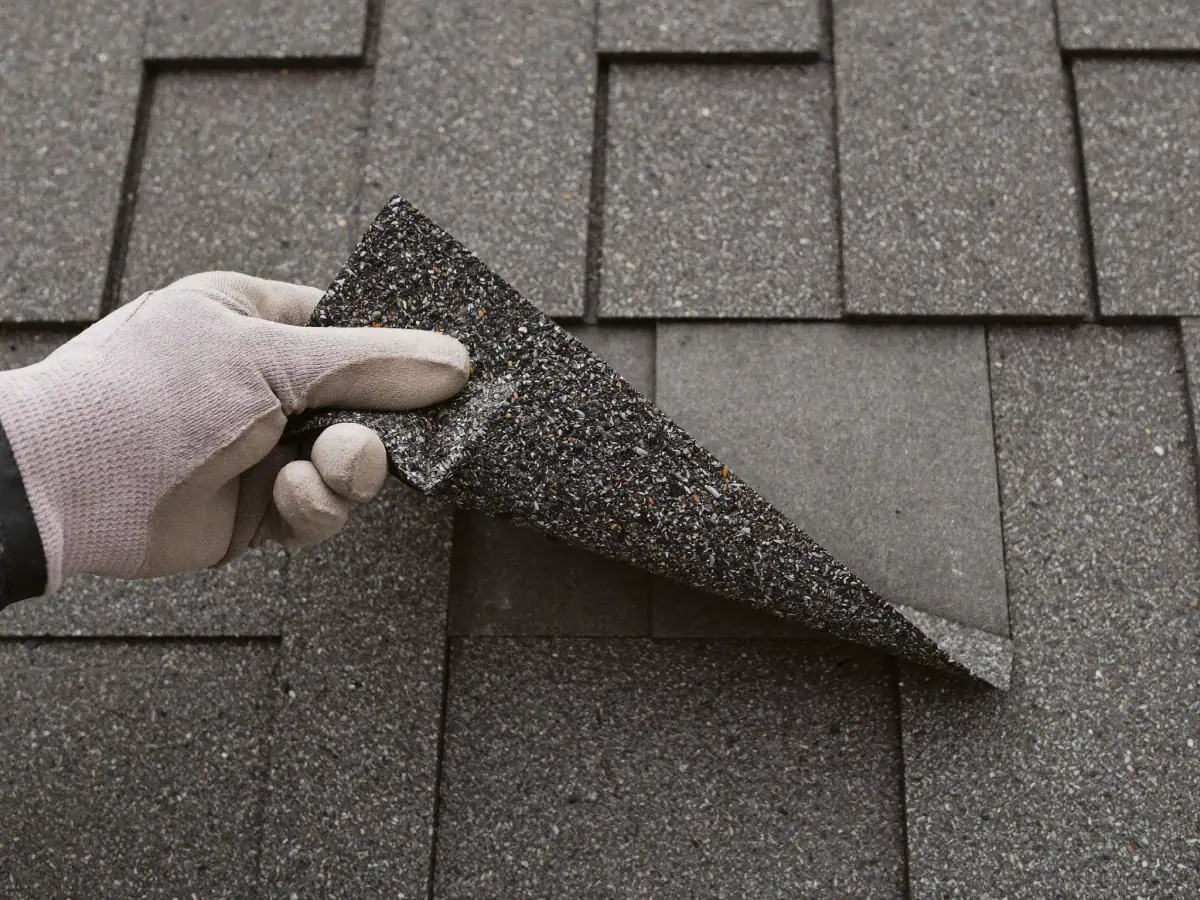
The roof was a roughly 25-year-old 3-tab system whose north and northeast slopes had gone dark with Gloeocapsa magma, the airborne cyanobacteria that settles on the slope getting the least direct sun and the longest drying time. In Garner that slope almost never fully dries: the creek buffer behind the lots and the broad humid bowl off Lake Benson and Lake Wheeler keep the shaded planes damp, which is exactly the standing-moisture and organic-film condition the algae needs to take hold. Once colonized, the organism feeds on the limestone filler in the shingle mat and grows a dark protective sheath against UV, the black streaking the owner could see from the yard. That sheath drops the slope's reflectivity, so the north face ran hotter than it should and aged the asphalt faster, while the feeding action worked the protective granules loose and washed them off with every rain. The streaking is the cosmetic symptom; the granule loss and the cooked, brittle mat underneath are the structural failure, and on this roof the choked attic ventilation feeding the moisture had pushed both past the point a cleaning could honestly save.
The System We Installed
Full tear-off of the old 3-tab to the deck, then a GAF Timberline HDZ architectural shingle system installed to the 2018 NCRC, specified for the algae problem it was solving: HDZ carries GAF Time-Release algae-fighting technology, copper-microsite capsules baked through the granules that meter copper out over years, backed by the 25-year StainGuard Plus algae-protection limited warranty rather than the shorter coverage of an unprotected shingle. A self-adhered ice-and-water membrane went into all three cleaned-out valleys and at the eaves, synthetic underlayment replaced the old felt across the field, and the two soft north-plane decking sheets were cut out and replaced with new OSB nailed off with ring-shank fasteners before the new system went down. The fix that makes the shingle warranty mean something was the ventilation: the painted-over soffit intakes were opened back up and a continuous ridge vent was set so the attic finally breathes on a balanced intake-at-the-eave, exhaust-at-the-ridge path that pulls the trapped humidity out instead of holding it against the slope.
Timeline & Constraints
Free on-site inspection within a day of the call, with the streaked north slope, the blocked soffits, and the silted gutters all photographed so the owner could see why a pressure-wash alone would not hold. The tear-off and full re-roof ran a single working day with a five-person crew once the decking and ventilation scope was set. The crew worked the dry window deliberately: the shaded north plane needs the deck bone-dry before the ice-and-water membrane and underlayment go down, so the start was held to the morning after the dew burned off and the exposed deck was dried and tarped at the prior afternoon's break rather than left open to the damp creek air overnight. A magnetic nail sweep of the drive and beds closed the job, and Town of Garner Inspections cleared the final.
The Outcome
Before: a 25-year-old 3-tab roof with a north face black with algae, granules washed into the gutters, two soft decking sheets, and an attic choked off from the air that would have slowed the whole process. After: a clean Timberline HDZ roof with copper-microsite algae protection on the very slopes that had failed, a corrected balanced-ventilation path drying the assembly the algae had lived on, and the valleys cleared so water runs instead of standing. The owner now has the 25-year StainGuard Plus algae warranty on the material and our 25-year workmanship warranty on the install, and that workmanship coverage transfers once to a new owner, a documented selling point on a Creekside block where every other house is staring down the same end-of-life north-slope streaking and buyers shop for the home that has already handled it.
- Heavy Gloeocapsa magma colonization concentrated on the north and northeast slopes, the planes that hold creek-buffer dampness longest, with the streaking stopping abruptly at the sun-baked south ridge line where the algae could not survive
- Advanced granule loss under the streaked areas: the exposed asphalt mat showed through where the algae had fed on the limestone filler and rain had carried the loosened granules into the gutters, the storm-side downspout outlets silted with granule grit
- Soffit intake vents painted over and partially blocked at the eaves, starving the attic of the low intake air needed to flush moisture out through the ridge, so the assembly stayed humid and kept feeding the slope it sat under
- Net free ventilating area well short of the code 1:150 ratio with the high vents nowhere near the 40 to 50 percent upper-portion share R806.2 calls for, leaving the attic short on exhaust and trapping the warm moist air against the deck
- Two soft spots in the north-plane decking where years of trapped humidity and granule-thinned shingles had let moisture work into the OSB, springy underfoot and no longer holding a nail
- Three valleys packed with leaf litter and shingle grit off the wooded buffer, holding water against the metal and feeding the same damp line the algae followed down the roof
Start with a free, documented inspection. We will show you exactly what we found and what it costs, in writing.
“Hail took out half the neighborhood. Summit & Oak had photos in my inbox that same afternoon and met my adjuster on the roof a few days later.”