
On This Page
After a hail event we drive a lot of neighborhoods, and the pattern repeats: from the yard a roof looks untouched, but up close we find granules knocked loose, soft bruises in the shingle mat, and dimpled metal on vents and gutters. That damage rarely leaks the day of the storm, which is exactly why homeowners miss it. An honest inspection gets on the roof safely, photographs every slope, and gives you a dated written record of what is really there.
The View From the Yard Lies to You
Marcus Bell here. The week after a real hailstorm rolls through the Triangle, my phone splits two ways. Half the callers are sure their roof is wrecked. The other half are sure it is fine. More often than not, both are looking at the same kind of roof, and both are guessing, because from the ground hail damage is nearly invisible.
That is the thing about hail. It does not usually tear a hole or start a drip you would notice that night. It bruises the shingle and strips the protective layer in small spots scattered across the slopes. So a homeowner stands in the driveway, sees no missing shingles, and assumes the storm was just loud. The damage is up there. It is just patient.
What the Damage Actually Looks Like Up Close
When I get on a roof after hail, I am reading the surface like a story of where the stones hit. Here is what shows up again and again on Triangle roofs once you are close enough to see it.
Asphalt shingles are coated in fine granules that shield the asphalt mat underneath from the sun. Hail knocks those granules off in little dark circles where the bare mat now shows. Press on a fresh hit and you can feel a soft, slightly sunken bruise, almost spongy compared to the firm shingle around it. The metal tells the same story even faster: vents, valleys, and the tops of gutters take visible dents and dimples that a homeowner never climbs up to see.
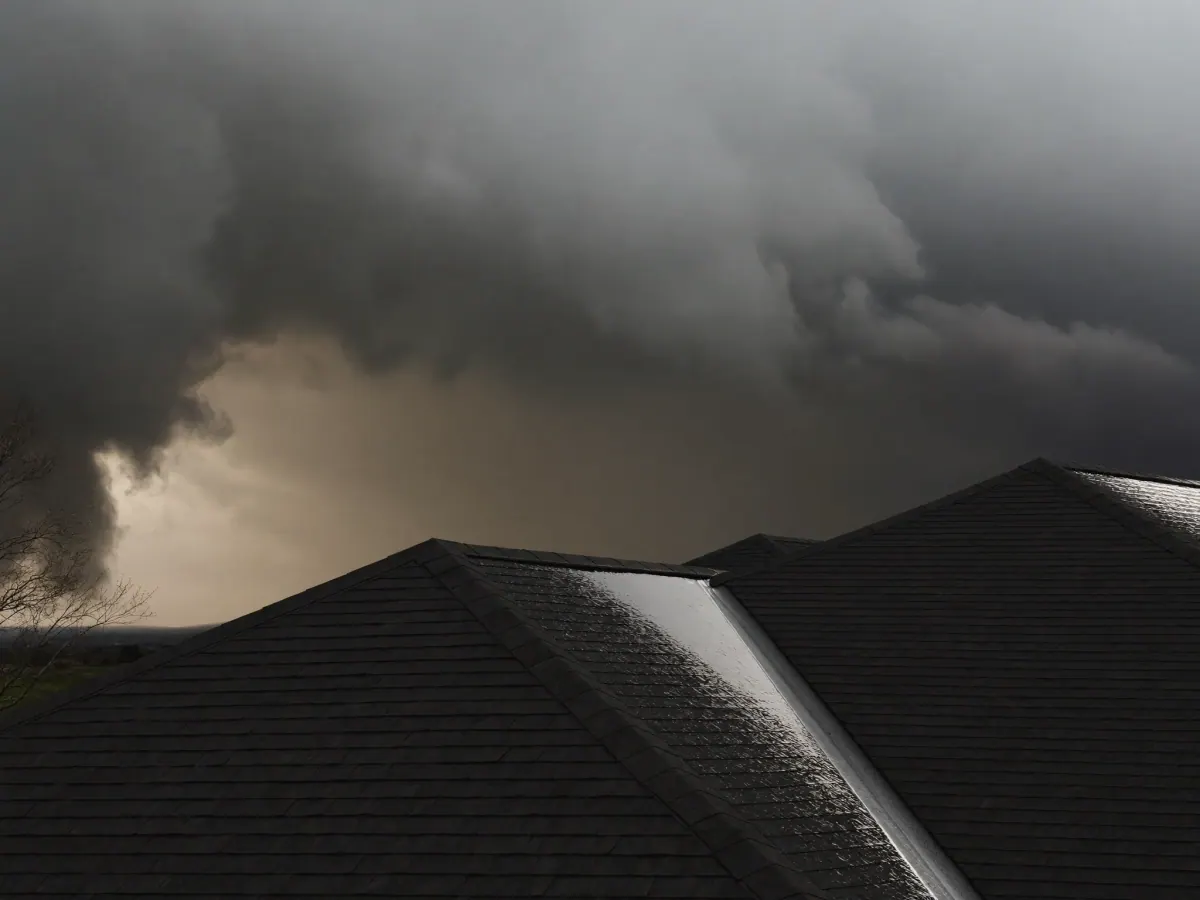
- Round spots of granule loss where the dark asphalt mat is now exposed
- Soft bruises in the mat that you feel with a fingertip before you see them
- Dents and dimples on metal vents, flashing, valleys, and gutter tops
- Split or cracked shingles, usually heaviest on the slope that faced the storm
- A worn, pockmarked look on soft metal and the painted caps along the ridge
Why Latent Damage Is the Part That Costs You
Roofers call this latent damage, meaning it is there but it has not failed yet. And latent is the word that matters, because the cost shows up later, not today.
Once the granules are gone from a spot, the North Carolina sun goes to work on the bare asphalt. That spot dries out, gets brittle, and over the following months it cracks and curls. A bruise that was harmless the week of the storm becomes a crack the next summer and a leak the summer after. So when I tell a homeowner the roof has hail damage and they tell me it is not leaking, we are both right. It is not leaking yet. The storm quietly took years off the roof, and that is the bill that arrives down the road.
It is not leaking yet. The storm quietly took years off the roof, and that is the bill that arrives down the road.
What an Honest Documented Inspection Covers
An inspection should be more than a guy glancing up and quoting a number. When we do one, we are building a record, because a vague worry helps nobody and a clear set of photos helps everybody.
My crew gets on the roof safely with the right footing and gear, and we check every slope, including the ones you cannot see from any window. We photograph the granule loss and bruising where we find it, note the metal hits, and put together a dated written summary of what is on the roof and where. Then we tell you straight whether what we found is cosmetic or whether it is shortening the life of the roof. You keep that report no matter what you do next.
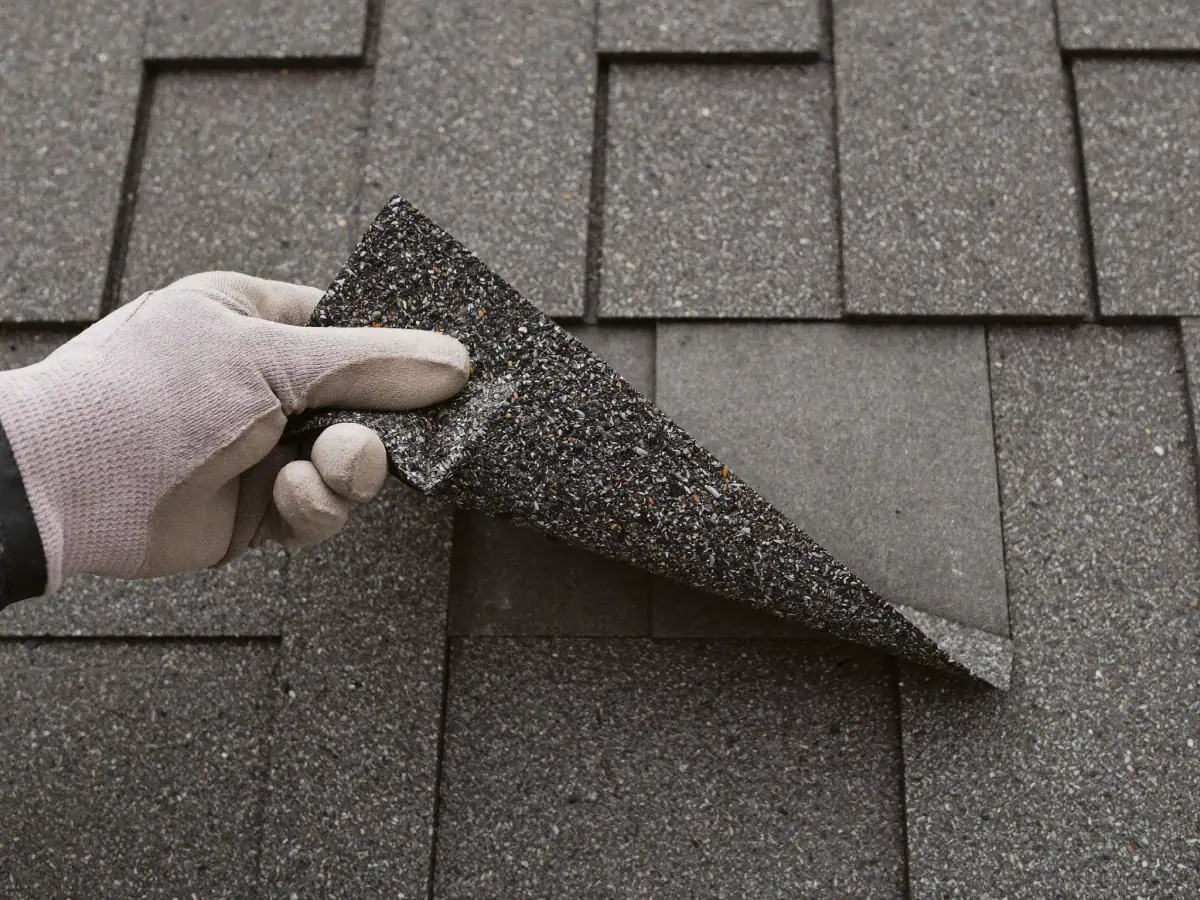
- Every slope inspected on the roof, not a guess from the driveway
- Dated photos of the granule loss, bruising, and any metal damage
- A written summary of what was found and on which slopes
- An honest read on cosmetic versus life-shortening damage
If You Think You Have a Claim
A fair number of these inspections turn up damage worth taking to insurance, so let me be careful and clear about how that works in North Carolina, because there is a lot of bad information out there.
You file and own the claim, not us. Storm damage is commonly covered by homeowners policies, but every policy and every claim is different, so nobody can promise you an outcome. What we do is document the damage with photos and a written report, and meet your adjuster on the roof to point out what we found so nothing gets overlooked. We do not file the claim, negotiate it, or guarantee it, and we are not public adjusters.
Two things to hold onto. The deductible is yours to pay, and any contractor who offers to waive it or eat it for you is steering you toward something that is illegal in this state, so treat that as a warning sign. And in North Carolina you choose your own licensed roofer. The insurer can suggest a preferred contractor, but the decision is yours.